

Elevated wall decor is defined as art that adds physical dimension and texture to a wall surface, going beyond flat printed images to create a living, three-dimensional presence in a room. Unlike standard canvas prints or posters, elevated wall art uses sculptural reliefs, floating geometric layers, and handcrafted textures to shift how a space feels. Canvas and framed canvas formats are the most accessible entry points into this style, offering depth without requiring structural changes to your home. If you have ever stood in front of a piece and felt it pull you in, that is elevated decor doing its work.
What is elevated wall decor, really?
Elevated wall decor is not just art hung at eye level. It is art that uses depth and dimensionality, utilizing floating layers, sculptural reliefs, or shadow-casting materials to create what designers call a “living presence.” The piece does not look the same at noon as it does at dusk. Light moves across it, shadow shifts, and the whole composition breathes.
Canvas and framed canvas art sit at the heart of this category. A standard canvas print is flat and static. An elevated canvas piece layers paint, texture medium, or mixed media on top of the substrate, so the surface itself becomes part of the story. Framed canvas takes this further by adding a dimensional border or floating mount that separates the art from the wall, creating visible depth even before you look at the image.
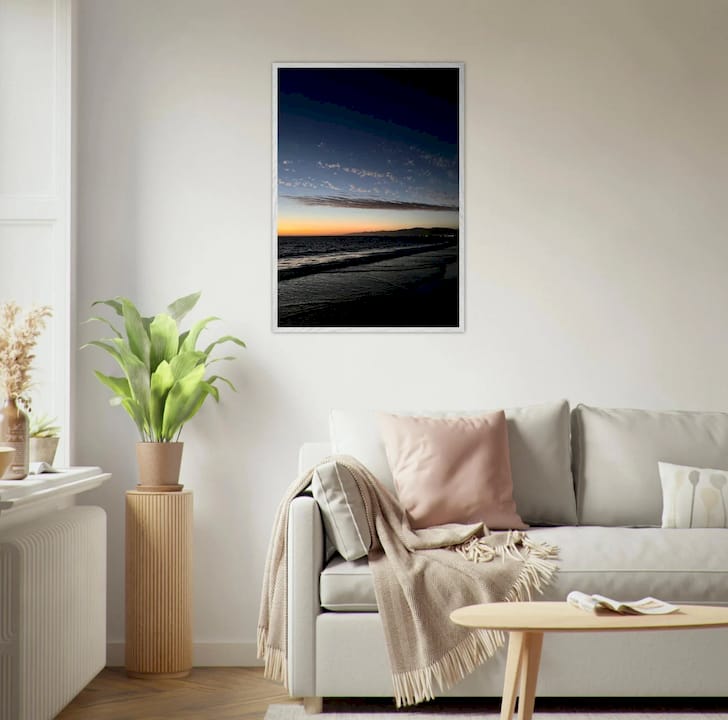
The industry term for this broader category is dimensional wall art or sculptural wall art. The phrase “elevated wall decor” is the consumer-friendly way to describe the same idea. Both terms refer to the same core principle: the wall is a material, not just a background.
How does elevated canvas art differ from standard wall art?
The difference between standard and elevated wall art comes down to three things: surface, shadow, and intention.
-
Surface texture: Elevated canvas pieces use layered paint, texture paste, or mixed media to build a surface you can feel. Standard prints are smooth and uniform.
-
Shadow play: Artwork with spatial presence evolves visually through the day as natural light shifts across raised surfaces. A flat print looks the same under any light.
-
Production depth: Custom handcrafted pieces typically require 7–10 days production time, and some artisan studios work on timelines of 7–14 weeks due to detailed layering and drying processes. That time is built into the texture you see.
-
Framing as structure: In elevated framed canvas art, the frame is not decorative trim. It is a structural element that lifts the canvas away from the wall, adding a shadow gap that reinforces the dimensional effect.
Pro Tip: When shopping for elevated canvas art, look at the product photos from a side angle. If the image shows visible depth or a raised surface profile, the piece will cast shadows and shift with your room’s light. That side-angle view is the clearest signal of true dimensionality.
The craftsmanship behind elevated pieces also matters for longevity. Each piece is individually hand created, which means subtle texture variations exist between pieces. That is a feature, not a flaw. It is what separates a collected interior from a catalog one.
What are the most popular styles of elevated canvas wall art?
Elevated canvas and framed canvas art covers a wide range of aesthetics. The style you choose shapes the entire mood of a room.
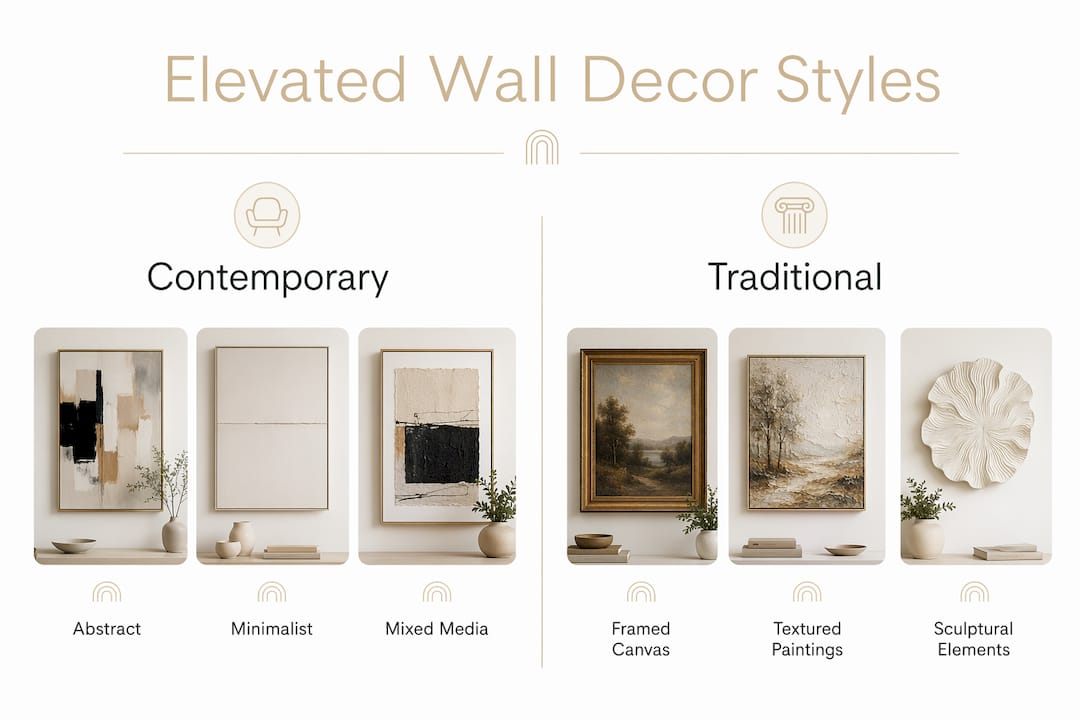
| Style | Standard Canvas | Elevated Canvas |
|---|---|---|
| Abstract color fields | Flat printed color | Layered paint with raised edges and texture |
| Photography | Flat print on canvas | Deep-mount framed canvas with shadow gap |
| Metallic accents | Printed metallic ink | Physical metallic leaf or foil applied by hand |
| Geometric patterns | Flat graphic print | Floating tile layers assembled with spacers |
| Mixed media | Printed collage | Physical fabric, paper, or resin embedded in surface |
The most popular styles in 2026 include:
-
Abstract layered canvases with vibrant color fields and visible brushwork. The texture catches light differently across the surface, so the piece reads as warm in morning sun and cool by evening lamp.
-
Metallic and mixed media canvases that use physical gold leaf, copper foil, or resin pours. These pieces interact with light in ways no printed metallic finish can replicate.
-
Deep-mount framed canvas photography, where a travel or landscape image is printed on canvas, stretched over a thick frame, and mounted with a visible gap from the wall. The result feels architectural rather than decorative.
-
Floating tile compositions, where layered tiles assembled with spacers create a floating illusion with depth and dimension across a large wall surface.
For rooms that already have strong architectural character, a single large elevated framed canvas piece anchors the space without competing. For neutral rooms, a cluster of smaller elevated canvases at varying depths builds a collected, story-driven wall.
How does elevated wall decor transform a room’s ambiance?
Elevated wall decor can change a room’s feel, making it larger, more dynamic, and more luminous without any structural changes. That is a significant claim, and it holds up in practice.
Here is how the transformation works, step by step:
-
It creates a focal point with weight. A dimensional canvas or framed piece draws the eye in a way flat art cannot. The room organizes itself around it naturally.
-
It adds movement without clutter. As light shifts through the day, the shadows on a textured canvas shift too. The room feels alive without adding furniture or objects.
-
It works with your wall as a material. Effective elevated wall decor blends with the wall as a material, not just an art surface. A deep-mount framed canvas on a plaster wall reads as part of the architecture.
-
It scales to the room. A single oversized elevated canvas in a living room or entryway fills vertical space in a way that feels intentional rather than empty. Large walls especially benefit from pieces with physical depth.
Pro Tip: In entryways and hallways, where wall space is narrow and lighting is often directional, elevated canvas art performs better than flat prints. The shadows created by texture give the space visual interest even when the light source is a single overhead fixture.
The role of wall art in interior design is well documented, but elevated formats take that role further. They do not just fill space. They define it.
How to select, style, and care for elevated canvas decor
Choosing and placing elevated canvas art well requires a few deliberate decisions.
-
Match scale to the wall. A small textured canvas on a large wall looks like an afterthought. For walls wider than six feet, choose a piece at least 36 inches wide, or group two to three pieces with consistent depth.
-
Consider your light sources. Elevated canvas art performs best near natural light or adjustable spotlights. Rooms with only flat overhead lighting lose much of the shadow play that makes dimensional art worth the investment.
-
Hang with intention. Hanging elevated art safely means using wall anchors rated for the piece’s weight, especially for deep-mount framed canvases that sit away from the wall. The gap between frame and wall is part of the aesthetic, so do not push the piece flush.
-
Balance with other elements. Mixing framed art with mirrors and objects enhances visual interest. Frames do not need to match perfectly for a successful aesthetic. Pair an elevated canvas with a simple mirror or a woven tray on a shelf below to ground the composition.
-
Care for textured surfaces gently. Dust elevated canvas surfaces with a soft, dry brush rather than a cloth. Moisture and pressure can flatten raised textures or loosen mixed media elements. Keep pieces out of direct humidity, especially in bathrooms or near kitchen steam.
For those drawn to unique wall decor options beyond standard prints, elevated canvas formats offer the most flexibility across room styles and sizes.
Key takeaways
Elevated wall decor is defined by physical dimension and intentional craftsmanship, and canvas or framed canvas formats are the most practical way to bring that quality into any interior space.
| Point | Details |
|---|---|
| Definition of elevated decor | Dimensional wall art uses raised surfaces, floating layers, or sculptural texture to go beyond flat prints. |
| Canvas vs. standard art | Elevated canvas builds texture into the surface itself, creating shadow play that shifts with natural light. |
| Style range | Options span abstract layered canvases, metallic mixed media, deep-mount photography, and floating tile compositions. |
| Room impact | A single dimensional piece can create a focal point, add movement, and make a room feel larger without structural changes. |
| Styling and care | Match scale to wall size, hang with proper anchors, and dust textured surfaces gently with a dry brush. |
Why intentionality is the part most people skip
We have seen a lot of walls. The ones that feel genuinely collected and warm share one quality: the person who styled them made a decision before they started. They knew whether they wanted a permanent architectural statement or a flexible gallery wall they could rearrange. Intentionality distinguishes temporary gallery walls from permanent architectural statements, and that distinction changes every choice downstream.
The most common mistake we see is treating elevated canvas art the way people treat flat prints: buying a piece because it matches the sofa, then hanging it wherever there is space. Dimensional art deserves a wall that gives it room to breathe and a light source that lets it perform. A beautiful textured canvas tucked in a dark corner is a missed opportunity.
Not every space benefits from heavy three-dimensional art either. Small rooms with low ceilings can feel compressed by large sculptural pieces. In those spaces, a single deep-mount framed canvas with a clean shadow gap does more work than a heavily textured piece. Knowing when to pull back is as important as knowing when to commit.
What we find most rewarding about elevated canvas art is that it becomes a lasting part of a room’s character. A travel photograph printed on a deep-mount framed canvas, hung in an entryway, becomes the first thing you see when you come home. It is not decoration. It is a memory map, and it earns its place on the wall every single day.
— Info
Bring your walls to life with Calicuration
Calicuration creates elevated canvas wall art from original, founder-shot travel photography, each piece custom-produced on demand so your wall gets something genuinely one of a kind. Every image captures a real place, a real light, a real moment: California coast, desert gold, city glow at dusk.
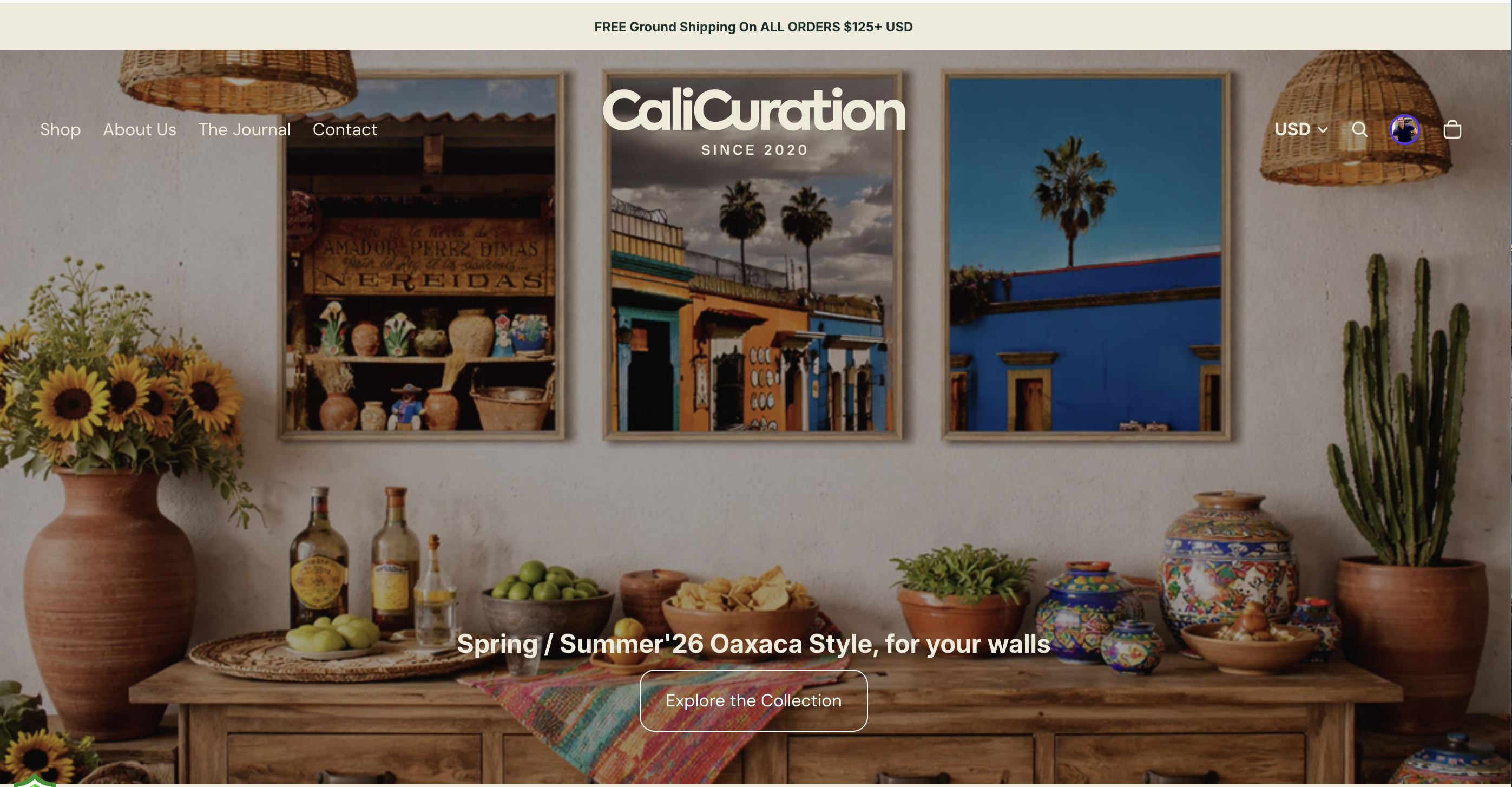
Our canvas and framed canvas pieces are built with the depth and intentionality this article describes, from deep-mount frames that cast a clean shadow gap to rich photographic canvases that shift with your room’s light. Every order supports community impact efforts in Los Angeles and New York City. If your walls are ready for something that feels collected and meaningful, start here.
FAQ
What is elevated wall decor in simple terms?
Elevated wall decor is art that adds physical depth or texture to a wall, going beyond flat prints. Canvas and framed canvas formats are the most common examples.
How is elevated canvas art different from a regular canvas print?
A regular canvas print is flat and uniform. An elevated canvas piece layers paint, texture, or mixed media on the surface so it casts shadows and changes appearance as light shifts through the day.
What rooms benefit most from elevated wall art?
Living rooms, entryways, and large open walls benefit most. These spaces have the scale and light exposure that let dimensional art perform at its best.
How do i hang elevated framed canvas art correctly?
Use wall anchors rated for the piece’s weight and maintain the gap between the frame and wall. That shadow gap is part of the dimensional effect and should not be compressed.
Does elevated wall decor require special care?
Dust textured surfaces with a soft, dry brush rather than a cloth. Avoid moisture and direct pressure, which can flatten raised textures or loosen mixed media elements over time.