

A purpose-driven brand is defined as one that authentically integrates a specific social or environmental commitment into its core identity, operations, and messaging — beyond profit alone. Research confirms that perceived authenticity strongly correlates with higher consumer trust and purchasing behavior. Brands like Tentree, Dove, and Cotopaxi have built loyal followings not by advertising their values, but by living them structurally. This guide breaks down what separates genuine purpose from polished performance, and how you can build something that holds.
What is a purpose-driven brand, really?
A purpose-driven brand, sometimes called a brand with a mission or an impact-focused brand in marketing literature, is one where a specific commitment shapes every business decision. The industry term for this practice is purpose-led branding, and it goes far deeper than a tagline or a donation page.
The clearest way to write a genuine purpose statement follows what brand strategist Marc Lefton calls the MVB format: “We exist to [specific change] for [specific audience].” That structure forces specificity. Vague statements like “we care about the planet” fail the accountability test because purpose must be specific and verifiable. If your audience would not notice when you violate your stated purpose, the purpose is not real.
Here is what separates a genuine purpose from a performed one:
- Specificity: The commitment names a measurable outcome, not a feeling.
- Accountability: A real audience can call you out if you break it.
- Operational proof: The purpose shapes sourcing, hiring, and product decisions, not just campaigns.
- Consistency: The same message lives in your packaging, your customer service, and your annual report.
Pro Tip: Write your purpose statement, then ask: “Would our customers notice if we quietly dropped this commitment?” If the answer is no, rewrite it until the answer is yes.
How do authentic brands operationalize their purpose?
Operationalizing purpose means embedding it into the structure of the business, not just the marketing calendar. The brands that do this well make their commitment visible at every customer touchpoint.
- Tentree built its entire supply chain around planting one billion trees. Tentree integrates purpose into material sourcing, packaging, and customer-facing impact tracking. Shoppers see exactly how many trees their purchase planted.
- Cotopaxi gives 1% of annual revenue monthly to its foundation and publishes detailed impact reports. The donation accounting is public and specific, not approximate.
- Dove runs the Self-Esteem Project, which has reached over 60 million youth through education programs. The project connects directly to Dove’s product line and brand narrative, not as a side charity but as the reason the brand exists.
The pattern across all three is the same: purpose is a filter for decisions, not a campaign theme.
| Brand | Core commitment | How it shows up operationally |
|---|---|---|
| Tentree | Plant one billion trees | Material sourcing, impact tracking per order |
| Cotopaxi | Monthly foundation giving | Public impact reports, 1% revenue commitment |
| Dove | Youth self-esteem education | Workshops, curricula, product messaging alignment |
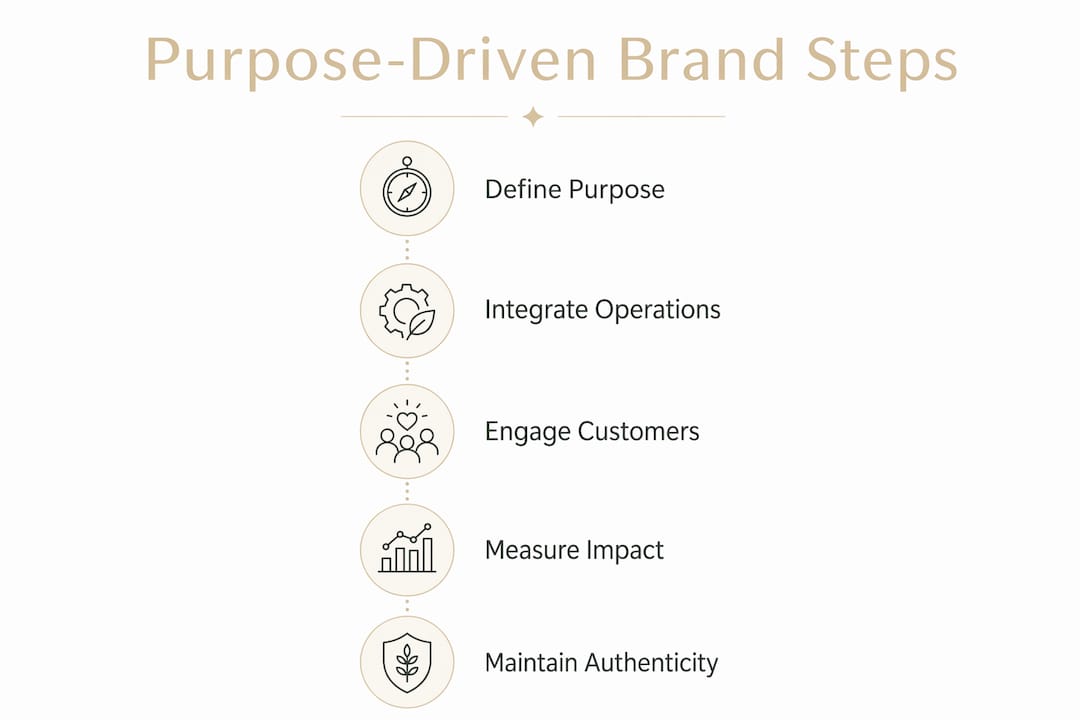
Operational integration of purpose into all brand decisions reinforces authenticity and consumer connection better than separate advertising. That finding matters because it means your marketing budget is not the primary driver of trust. Your supply chain and your policies are.

Pro Tip: Map your customer journey from first click to unboxing. Ask where your purpose is visible at each step. If it disappears after the homepage, that is where to focus next.
How do you avoid greenwashing and protect brand credibility?
Greenwashing is a communication-performance discrepancy where a brand’s sustainability claims exceed its actual environmental action. Recent frameworks identify vague or exaggerated claims as the primary indicators, and the legal and reputational risks are growing.
The problem is not always intentional. Many brands drift into greenwashing through marketing enthusiasm rather than dishonesty. A campaign team writes copy that outpaces what operations can actually deliver. Over time, the gap widens.
“Communications that appear ‘performed’ rather than genuine cause authenticity to break down, eliciting audience backlash proportional to the discrepancy size.” — Marc Lefton, 2026
To protect your brand, build these practices into your process:
- Conduct evidence audits before publishing any ESG or sustainability claim. Every number should trace back to a verifiable source.
- Align marketing copy with operational reality. If your sourcing is 40% sustainable, say 40%, not “sustainable.”
- Publish impact reports regularly. Annual transparency documents build credibility over time and create accountability.
- Use governance frameworks. Assign internal ownership for ESG claims so marketing and operations stay in sync.
Perceived CSR authenticity improves brand trust, which in turn strengthens loyalty and positive word of mouth. That chain only works when the authenticity is real. One credibility gap can undo years of goodwill.
How to build and sustain a purpose-driven business
Building an authentic, values-driven marketing strategy starts with looking inward before looking outward. The most durable brand purposes grow from what founders and employees already do, not from what sounds good in a brand workshop.
- Audit real behaviors first. Base your purpose on existing founder and employee behaviors. If your team already volunteers, donates, or advocates for something, that is your foundation.
- Write verifiable commitments. Replace “we support sustainability” with “we donate 5% of every order to community organizations in Los Angeles and New York City.” Specificity is what makes a commitment credible.
- Engage stakeholders continuously. Invite customers into co-ownership through feedback loops, community partnerships, and open reporting. Brands that build purpose as a dynamic stakeholder process create deeper loyalty than those that broadcast purpose one-way.
- Use purpose as a commercial filter. Before launching a new product, partnership, or campaign, ask: does this align with our stated commitment? If not, it is a signal to pause.
- Report and evolve. Purpose is not a fixed statement. It grows as your business grows. Share what you have learned, what you got wrong, and what you are improving.
Pro Tip: Involve your most loyal customers in shaping your impact commitments. When people feel co-ownership of a brand’s mission, they become its most credible advocates.
Key takeaways
A purpose-driven brand earns lasting consumer trust by embedding a specific, verifiable commitment into every layer of its operations, not just its messaging.
| Point | Details |
|---|---|
| Specificity over sentiment | Write purpose statements with measurable outcomes, not emotional generalities. |
| Operational proof matters most | Purpose embedded in sourcing, products, and reporting builds more trust than advertising alone. |
| Greenwashing is a drift risk | Conduct evidence audits and align marketing claims with actual performance before publishing. |
| Stakeholder engagement deepens loyalty | Invite customers and community partners into your mission to create co-ownership and credibility. |
| Authenticity drives behavior | Perceived authenticity links directly to purchasing and recommendation behavior, not just goodwill. |
Why purpose without proof is just a story
We have spent time studying how brands talk about their values, and the pattern is consistent: the brands people trust most are the ones that make their commitment inconvenient to abandon. That is the real test. If dropping your purpose would cost you nothing operationally, it was never truly embedded.
The most common misstep we see from entrepreneurs is writing a beautiful purpose statement during a brand refresh, then filing it away. It lives on the About page and nowhere else. Customers notice. They notice when your packaging contradicts your sustainability claims. They notice when your partnerships do not reflect your stated values.
What actually works is treating purpose like a product feature. It gets tested, refined, and reported on. Calicuration started with a simple commitment during the pandemic: 5% of every order goes back to community impact in Los Angeles and New York City. That number is specific, trackable, and tied to every transaction. It is not a campaign. It is a structure.
The brands that endure are the ones willing to disclose trade-offs openly. Not every decision will be perfectly aligned. Saying so, and explaining why, builds more trust than silence. Conscious consumerism rewards honesty far more than polish.
— Info
Explore purpose in every piece from Calicuration
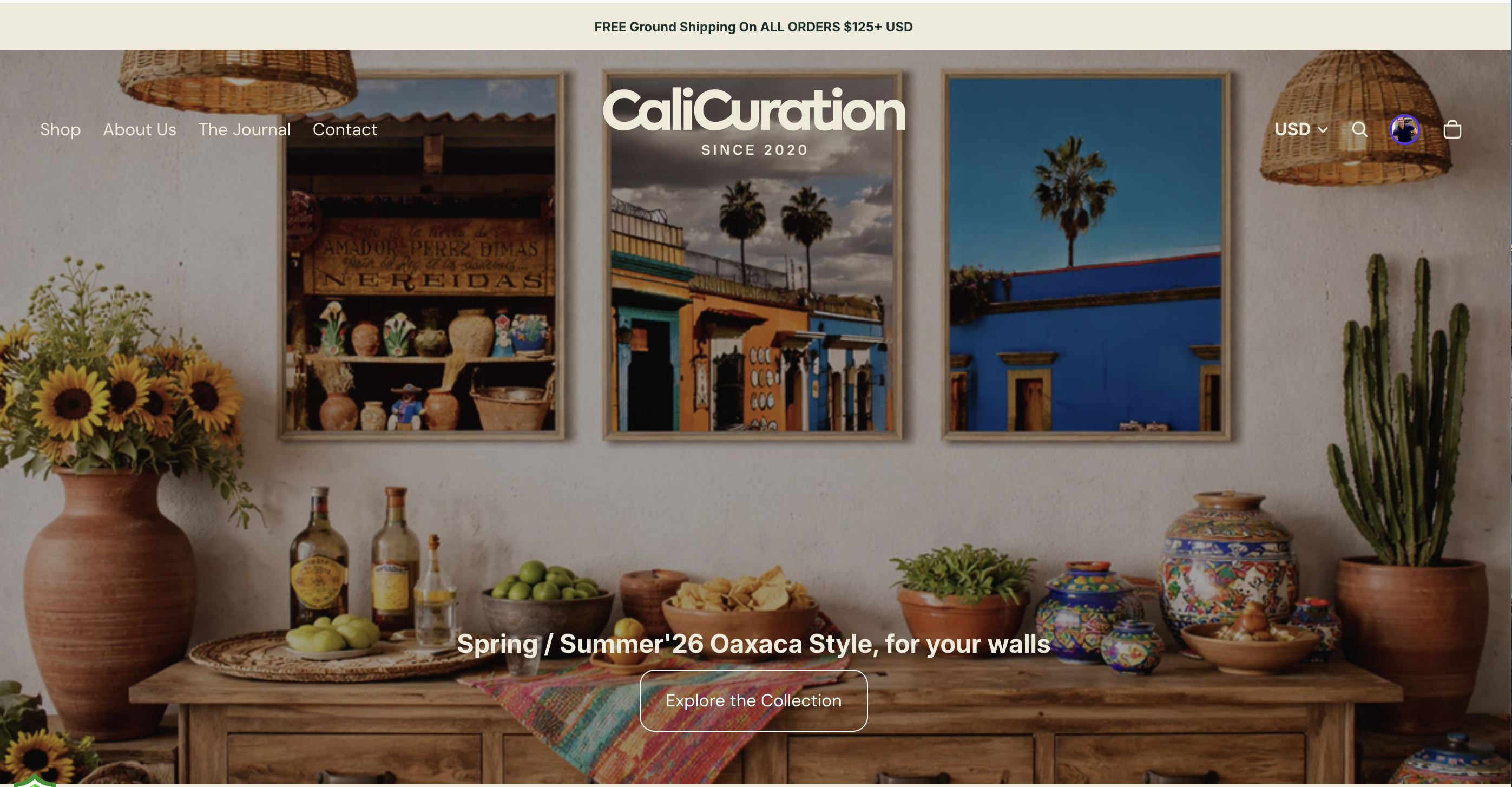
At Calicuration, purpose is woven into the fabric of what we make. Every piece of California wall art is shot by our founder, produced on demand to reduce waste, and tied to a giving commitment that puts 5% of every order toward community impact in Los Angeles and New York City. You are not just choosing art for your walls. You are choosing a story that means something.
We also believe in showing our work. Our nonprofit partners are listed openly, because transparency is not optional for us. If you are building a brand with a mission or simply want to surround yourself with things that carry real intention, this is where to start.
FAQ
What is a purpose-driven brand?
A purpose-driven brand is one that authentically integrates a specific social or environmental commitment into its core operations and identity, beyond profit. It differs from a standard mission statement because the commitment is verifiable, operational, and visible to customers.
How does brand purpose differ from a mission statement?
A mission statement describes what a company does. Brand purpose explains why it exists and what change it creates in the world. Purpose must pass an accountability test: your audience should notice if you abandon it.
What is greenwashing and how do you avoid it?
Greenwashing occurs when a brand’s sustainability claims exceed its actual environmental performance. Avoid it by conducting evidence audits before publishing ESG claims and aligning marketing copy with operational reality.
Why does authenticity matter for a socially responsible brand?
Perceived CSR authenticity improves brand trust, which strengthens loyalty and positive word of mouth. Authenticity functions as a measurable trust mechanism, not just a moral position.
How do you build a purpose-driven brand from scratch?
Start by auditing real founder and employee behaviors, then write specific and verifiable commitments. Engage stakeholders continuously, use purpose as a filter for commercial decisions, and report your impact regularly to build credibility over time.