

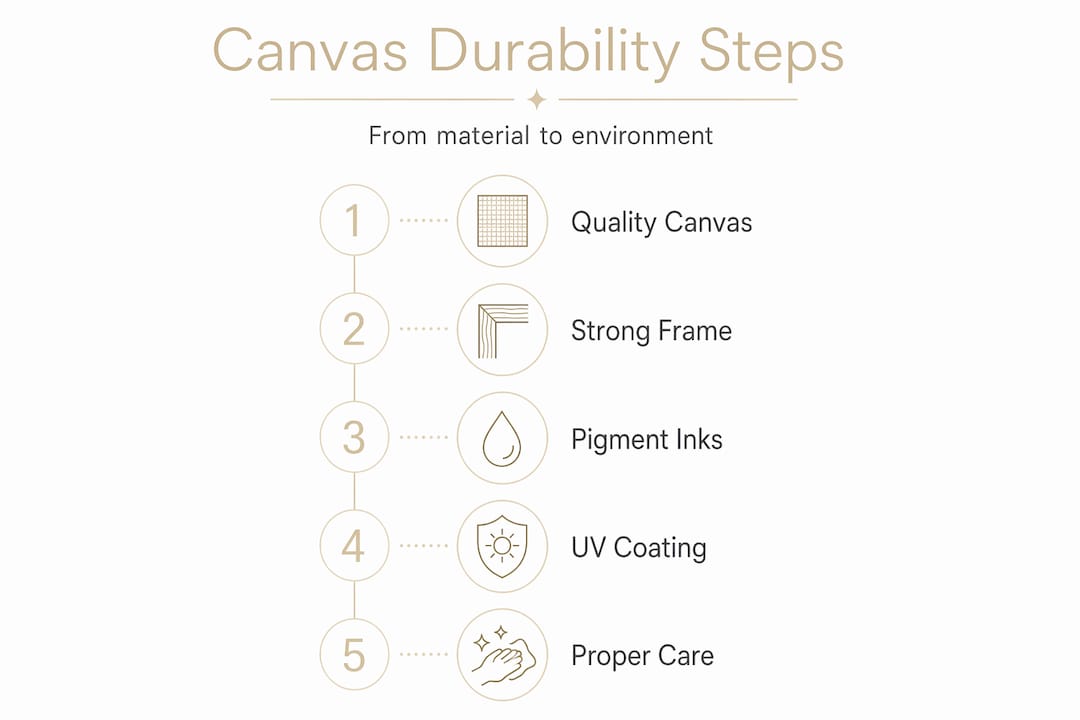
Canvas prints feel like they should last forever. Stretched over a solid frame, coated and ready to hang, they carry a sense of permanence. But what makes canvas prints durable is not the canvas fabric alone. It is a system: the right materials, the right inks, a protective finish, and the environment where the piece lives. Get one of those wrong, and even a beautifully printed image can fade, sag, or warp within a few years. This guide breaks down every factor so you can choose wisely and care for your art with confidence.
Table of Contents
- Key takeaways
- What makes canvas prints durable: materials and frames
- Inks and printing methods that affect longevity
- Environmental factors and canvas print preservation
- Handling, cleaning, and everyday care
- Canvas vs. other print types: putting durability in context
- Our honest take on canvas print durability
- Bring lasting art into your space with Calicuration
- FAQ
Key takeaways
| Point | Details |
|---|---|
| Durability is a system | Materials, inks, coatings, and environment all work together to determine how long a canvas print lasts. |
| Pigment inks outlast dye inks | Archival pigment inks with UV laminate can extend canvas print life to 25 to 40 years indoors. |
| Environment matters most | Stable temperature (60 to 75°F) and humidity (30 to 60%) prevent warping, sagging, and mold. |
| Dry cleaning only | A soft microfiber cloth is the only safe cleaning tool; liquids cause permanent fiber damage. |
| Canvas vs. metal trade-offs | Canvas offers warmth and texture but needs more protection from moisture than metal alternatives. |
What makes canvas prints durable: materials and frames
The foundation of any long-lasting canvas print starts with what it is made from. Not all canvas fabrics perform equally, and the difference shows over years of display.
Cotton canvas has long been the preferred choice for fine art reproduction. It holds ink well, offers a natural texture that catches light beautifully, and ages with dignity. Polyester canvas is more resistant to moisture but can feel plasticky and does not absorb ink as richly. Poly-cotton blends sit in the middle, combining some of cotton’s warmth with polyester’s added resilience. As a general rule, cotton canvas offers the best texture and longevity for printed art.
Beyond fabric type, weave tightness and canvas weight matter. A tighter, heavier weave resists tearing and holds its shape under tension. Loosely woven, lightweight canvas is more prone to sagging over time, especially in rooms where temperature or humidity shifts.
Here is how the main fabric options compare:
| Canvas type | Texture | Moisture resistance | Best for |
|---|---|---|---|
| 100% cotton | Rich, natural | Moderate | Fine art, photography |
| 100% polyester | Smooth, uniform | Higher | Commercial, outdoor |
| Poly-cotton blend | Balanced | Good | General home display |
The stretcher frame behind the canvas is equally important. Kiln-dried hardwood frames resist warping far better than cheaper softwood alternatives. A frame that bows or twists will pull the canvas unevenly, creating visible distortions that no amount of care can reverse.
Pro Tip: When evaluating a canvas print, ask about the frame wood and canvas weight. A heavier canvas (around 400 gsm or more) on a kiln-dried hardwood frame is a reliable sign of lasting quality.
Inks and printing methods that affect longevity
Once you have quality materials, what gets printed onto them determines how well color and detail survive the years.
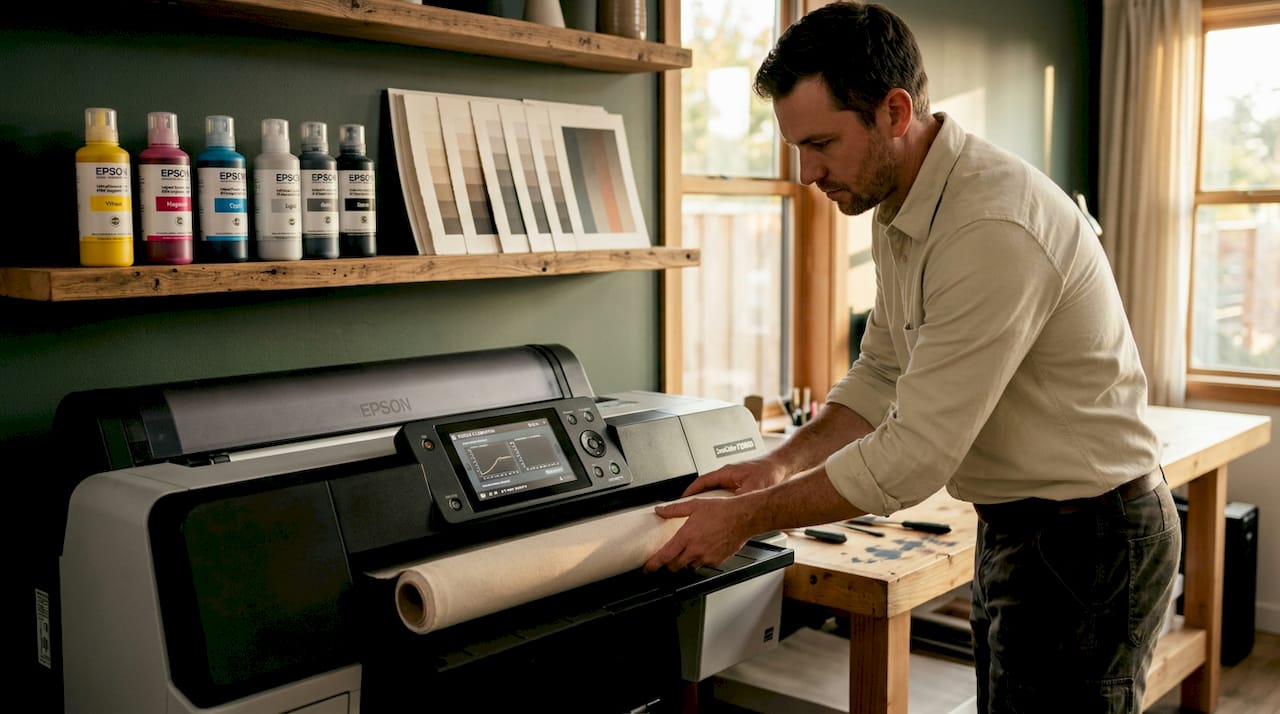
The most important distinction is between dye-based inks and pigment-based inks. Dye-based inks dissolve into the canvas fibers, producing vivid color at first. But they are sensitive to UV light and humidity, and uncoated dye-based prints can show visible fading within 5 to 10 years. Pigment-based inks, by contrast, sit on the surface of the fibers in stable particles that resist UV degradation far longer.
Archival-grade giclée printing uses pigment inks at high resolution, and when combined with UV-protective finishing, the result is a print that can last 25 to 40 years in a stable indoor environment. That is not marketing language. That is the measurable difference that archival pigment inks make.
A few other factors worth knowing:
- UV-protective laminate or varnish acts as a physical barrier between the ink layer and the environment. Protective surface coatings add both UV and moisture resistance, and they also make the surface easier to clean safely.
- Image resolution affects durability perception. A print produced at 300 DPI or higher holds detail cleanly at large sizes. Lower resolution images look fine on a phone screen but become visibly pixelated on a stretched canvas, which makes the piece feel degraded even when the materials are sound.
- Color calibration during printing preserves the tonal range of the original image, so colors stay true rather than shifting toward yellow or cyan as the piece ages.
Pro Tip: Always ask whether a canvas print uses pigment-based inks and UV-protective coating before purchasing. These two features alone separate prints that last decades from those that fade within years.
Environmental factors and canvas print preservation
You can invest in the best materials and inks available, and still watch a canvas deteriorate if it lives in the wrong conditions. Environment is where most canvas prints quietly lose years of their life.
Direct sunlight is the most obvious threat. UV rays break down ink molecules over time, and UV coatings are protective but degrade under repeated direct exposure. A UV laminate is not a license to hang a canvas in a sun-drenched window. It is a buffer that extends life in indirect or filtered light conditions.
Humidity and temperature swings are less obvious but equally damaging. Canvas is a natural fiber that expands in humidity and contracts in dry air. Repeated moisture exposure loosens the canvas on its stretcher frame, causing sagging and distortion over time. Mold can also develop on the back of the canvas in persistently damp conditions.
The recommended indoor environment for canvas print longevity is:
- Temperature between 60 and 75°F, kept as stable as possible
- Relative humidity between 30 and 60%, without sharp daily swings
- Indirect or filtered natural light, away from direct sun exposure
- Distance from heating vents, air conditioning units, and kitchen steam
Bathrooms and kitchens are genuinely challenging spaces for canvas. The humidity spikes from showers and cooking create exactly the expansion-contraction cycle that loosens canvas over time. If you love the idea of art in those rooms, metal prints or framed photographic paper behind glass are more forgiving choices.
Pro Tip: Use small wall spacers behind the frame to allow air circulation at the back of the canvas. This simple step reduces moisture buildup and helps the piece breathe.
Handling, cleaning, and everyday care
Even a perfectly made canvas in a perfect environment can be damaged by poor handling. The good news is that canvas print care tips are simple once you know them.
- Dust regularly with a dry microfiber cloth. Use light, downward strokes. This removes surface dust before it settles into the texture of the canvas.
- Never use liquids or spray cleaners. Oil from hands and moisture penetrate canvas fibers and cause permanent staining. Even water can leave a mark.
- Handle with clean, dry hands when moving or adjusting a canvas. The natural oils on skin transfer easily and are difficult to remove without risking further damage.
- Re-tighten the canvas every two to three years. Most stretched canvases come with small wooden keys in the back corners. Tapping these gently outward re-tensions the canvas as it relaxes over time.
- Watch for early signs of wear. Slight warping at the corners, a soft or uneven surface, or any color shift in a specific area are signals worth addressing before they worsen.
- Consult a professional conservator for valuable or sentimental pieces showing significant deterioration. Early intervention saves far more than late-stage repair.
Dry cleaning techniques are the universal recommendation from print professionals. Anything beyond a dry cloth introduces risk that outweighs the benefit.
Pro Tip: Set a reminder to inspect your canvas prints twice a year. Check the tension, look for color shifts near windows, and dust gently. Five minutes of attention twice a year can add years to a print’s life.
Canvas vs. other print types: putting durability in context
Understanding canvas durability is easier when you see how it compares to alternatives. The most common comparison is canvas versus metal prints.
| Factor | Canvas prints | Metal prints |
|---|---|---|
| UV resistance | Good with coating | Excellent |
| Moisture resistance | Moderate | High |
| Scratch resistance | Low to moderate | High |
| Texture and warmth | Rich, tactile | Smooth, modern |
| Repairability | Possible | Difficult |
| Lifespan (ideal conditions) | 25 to 40 years | 50+ years |
Metal prints outperform canvas in moisture resistance and scratch resistance. They are a practical choice for bathrooms, kitchens, or high-traffic areas. But canvas brings something metal cannot: warmth, depth, and a texture that feels like it belongs in a home rather than a gallery showroom.
The key insight is that durability relies on a system: pigment inks, protective laminate, and proper placement working together. No single element carries the whole load. A beautifully printed canvas on quality cotton with UV laminate, hung in a stable environment and cared for consistently, will hold its color and structure for decades. That is not an accident. It is the result of informed choices made at every stage.
Our honest take on canvas print durability
I have looked at a lot of canvas prints over the years, and the ones that disappoint are almost never the result of bad luck. They are the result of one overlooked variable. A stunning print on cheap polyester canvas. A quality giclée hung directly above a radiator. A beautiful piece cleaned once with a damp cloth and never quite the same afterward.
What I have come to believe is that environmental stability is the most underappreciated factor in canvas print longevity. People spend time researching inks and materials, which matters, but then hang the piece in a room with afternoon sun blasting through unfiltered glass. The coating buys time. It does not eliminate the problem.
The other mistake I see is treating canvas prints as maintenance-free once they are on the wall. They are not fragile, but they do respond to their surroundings. A little attention, twice a year, makes a real difference over a decade.
The hopeful truth is this: with the right materials and consistent care, a canvas print can genuinely become a piece you pass down. That feels worth investing in.
— Info
Bring lasting art into your space with Calicuration
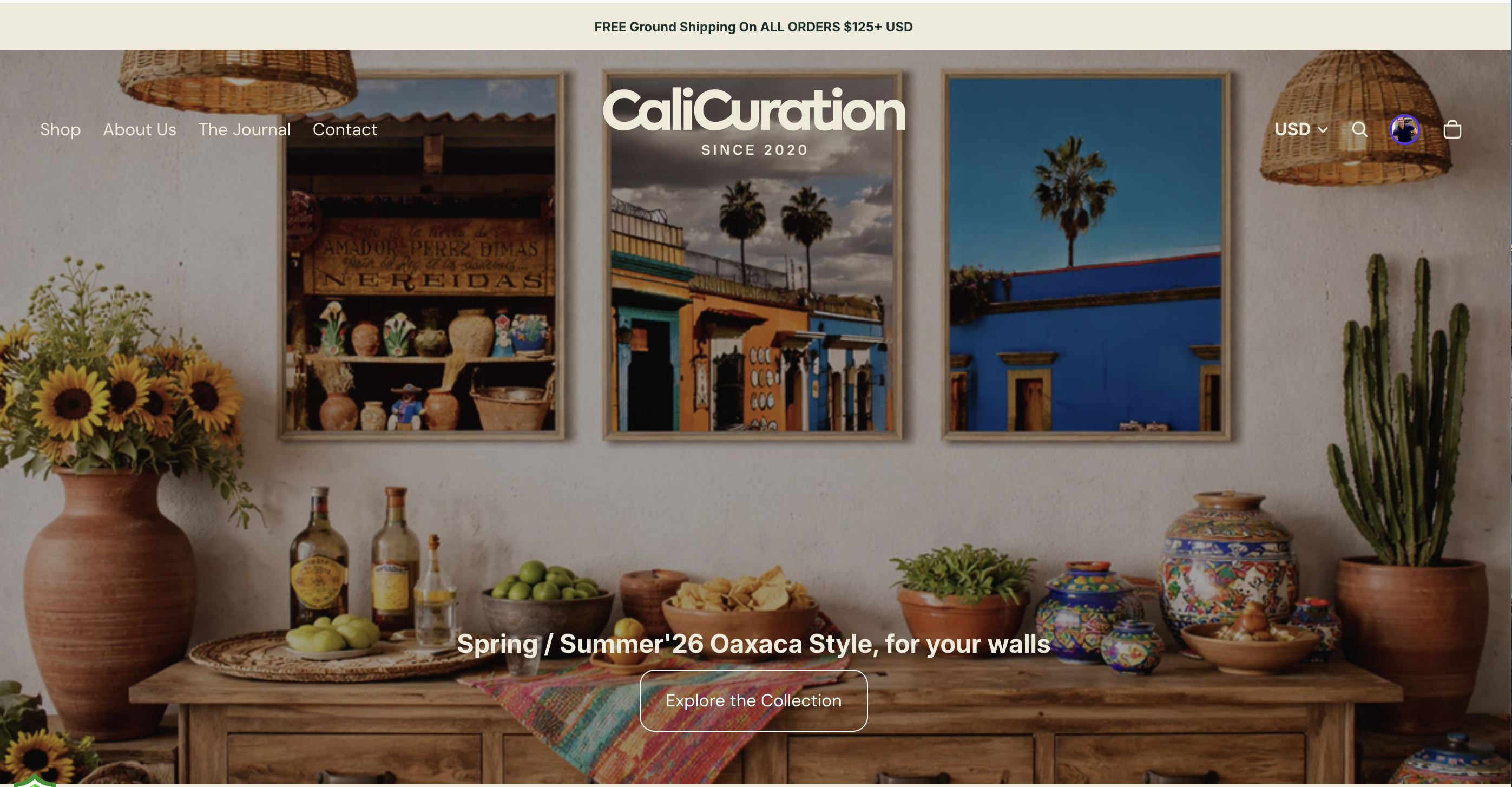
At Calicuration, every canvas print starts with original, founder-shot travel photography and is custom-produced using archival pigment inks and UV-protective finishing. The materials are chosen for longevity as much as beauty: quality cotton canvas, sturdy frames, and finishes that hold color through years of real life. Whether you are drawn to the golden light of a California coastal sunset or the electric glow of a city skyline at night, each piece is built to stay beautiful. Explore the full wall art collection and find something made to last, and made to mean something.
FAQ
What makes canvas prints durable over time?
Canvas print longevity depends on a combination of factors: pigment-based inks, UV-protective coating, quality canvas fabric, a sturdy frame, and stable indoor conditions. No single element is enough on its own.
Do canvas prints fade over time?
Yes, all canvas prints fade eventually, but the rate varies significantly. Prints with archival pigment inks and UV laminate can last 25 to 40 years indoors, while uncoated dye-based prints may show fading within 5 to 10 years.
How do you clean a canvas print safely?
Use a soft, dry microfiber cloth with light downward strokes. Avoid all liquids, sprays, and chemical cleaners, as moisture penetrates canvas fibers and causes permanent staining.
What indoor conditions are best for canvas prints?
A stable temperature between 60 and 75°F and relative humidity between 30 and 60% protect canvas prints from warping, sagging, and mold. Avoid direct sunlight, heating vents, and high-humidity rooms.
How often should you re-tighten a stretched canvas?
Re-tightening every two to three years is a good general practice. Use the wooden keys in the back corners of the frame to restore tension as the canvas naturally relaxes over time.