

Last Updated: October 24, 2026
Quick Summary
Travel photography art is trending in modern homes because it captures authentic moments and real places that resonate emotionally, offering personalized décor that reflects individual experiences and values rather than generic mass-produced wall art.
- Modern phone cameras now produce images sharp enough for large-format prints, eliminating the gap between taking a photo and displaying it as wall art.
- Travel photography works as home décor because it conveys sense of place through light, color, and atmosphere that makes viewers feel transported to that location.
- Metal and aluminum prints preserve sharp detail and resist glare, making them ideal for coastal and minimalist travel imagery in bright contemporary spaces.
- The strongest travel walls feature carefully chosen pieces given room to breathe, rather than crowded gallery walls of vacation snapshots.
Table of Contents
- The Rise of Travel Photography as Home Art
- Authenticity and Real Moments Over Staged Perfection
- How Travel Photography Captures a Sense of Place
- Modern Coastal Wall Art and Minimalist Design
- Light, Color, and Emotional Connection in Travel Images
- How to Style Travel Photos in Your Home
- Bringing Your Travel Memories Into Your Living Space
- Frequently Asked Questions
The Rise of Travel Photography as Home Art
Travel photography has evolved from vacation documentation into a legitimate art form reshaping home décor. The shift toward travel photography art reflects a broader cultural movement where authenticity, personal connection, and real-world moments matter more than ever.
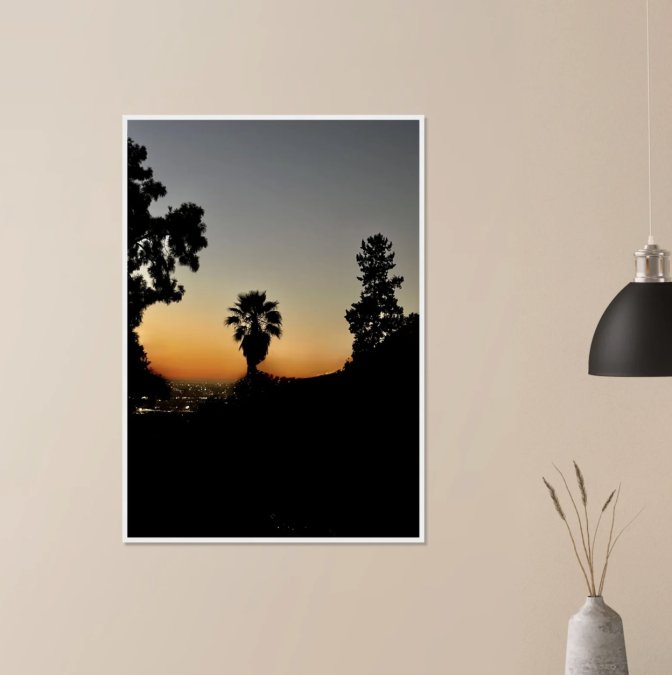
People are moving away from generic mass-produced wall art toward pieces that tell actual stories.
The appeal goes deeper than aesthetics. Research on interior design trends shows that consumers increasingly seek personalized, meaningful décor that reflects their values and experiences.
Why the trend is accelerating right now
Most articles on this subject talk about travel and photography as separate hobbies. We think the trend is better explained by four forces converging at once:
- Camera quality caught up with everyday life. Modern phones shoot images that hold up in large-format prints, so the photo you take on a trip can go straight to a wall without a separate professional shoot. That shortens the distance between "I saw this" and "I hung this."
- Visual discovery changed how people shop for décor. Photo-sharing platforms, short-form video, and image-first search have trained people to browse interiors the same way they browse travel. When a room tour or a styled shelf goes viral, the artwork in it becomes searchable and shoppable in the same session.
- Creator culture normalized the travel image. Travel creators turned the destination photo into a familiar visual language. Audiences now recognize a coastal dawn shot or a narrow street scene instantly, which makes those images feel personal even before they own one.
What the evidence looks like
We won't pretend there's one clean statistic that captures this. A more honest way to read the trend is to watch where the signals line up:
- Search behavior. Queries that combine a destination with "wall art," "print," or "framed photo" keep surfacing alongside generic décor searches, which tells us people are shopping by place, not just by style.
- Marketplace shelves. Print-on-demand and made-to-order wall art have made it cheap to sell a single photograph, so independent photographers now compete directly with mass-market décor brands.
- Interior publishing. Shelter magazines and home tours feature far more photography-based wall art than they did a decade ago, often credited to the homeowner's own travels.
Social media has democratized photography, and creator culture has normalized sharing travel moments. Most importantly, people have grown tired of the sterile, staged perfection that dominated home décor for so long. They want real.
Authenticity and Real Moments Over Staged Perfection
The decline of studio-perfect imagery has opened space for something more honest.
People are rejecting the Instagram-ready aesthetic that dominated the 2010s, seeking décor that feels earned rather than purchased.
Every travel photograph contains invisible layers: the moment the shutter clicked, the journey to get there, the feelings you had standing in that spot.
People have also grown savvier about recognizing overly edited, AI-generated, or stock imagery.
How Travel Photography Captures a Sense of Place
Sense of place is the invisible magic that makes travel photography resonate as wall art, the quality that makes you feel like you're standing there even though you're looking at a print.
A strong travel photograph conveys atmosphere, light, and mood. A Mediterranean sunset isn't just colors in the sky; it's the warmth of the evening, the texture of stone buildings, the rhythm of life in that moment.
This is why travel photography works so well as home décor. A piece from our Travel Collection featuring a quiet coastline or a sun-warmed desert landscape doesn't just fill wall space, it anchors your entire room in a feeling, a place, a state of mind.
Modern Coastal Wall Art and Minimalist Design
Coastal imagery has become central to contemporary home design, and for good reason. Coastal wall art works because it brings calm, light, and openness into interior spaces.
Coastal aesthetics tie directly to minimalist design.
Coastal travel photography pairs naturally with modern interiors. A piece like the Tulum Fishing Boat Aluminum Print works in minimalist spaces because it's understated: the brushed aluminum finish adds subtle texture without demanding attention, enhancing the room's sense of peace.

People aren't just hanging art for decoration's sake; they're curating environments that reflect how they want to feel, and coastal travel photography delivers that consistently.
Light, Color, and Emotional Connection in Travel Images
Light and color create the emotional resonance that transforms a travel photograph into wall art worth living with.
Light is the primary storyteller.
Color works similarly. Warm ochre and amber tones communicate a different feeling than cool blues and greens. In travel photography that works as home art, colors aren't just accurate; they reinforce the emotional truth of the moment.
Unlike abstract or purely decorative pieces, travel photography carries built-in emotional content.
How to Style Travel Photos in Your Home
Placing travel photography effectively means thinking about both the image and the space it inhabits. The goal is integration, not competition, so it helps to understand the formats that turn a photograph into something you can hang.
Choose the format before you choose the wall
- Paper prints are the most affordable and the most fragile. They need matting and a frame, and they fade fastest in direct sun. Best for bedrooms, hallways, and spots away from windows.
- Canvas wraps arrive ready to hang and read as casual and warm. They suit relaxed living rooms and family spaces, but the texture softens fine detail, so they favor bold compositions over intricate ones.
- Metal and aluminum prints hold sharp detail and resist glare better than glass in bright rooms. The finish feels contemporary, which is why coastal and minimalist images pair so naturally with them. A piece like the Tulum Fishing Boat Aluminum Print works in a bright, pared-back room because the brushed surface adds texture without shouting.
Match the image to the room, not the other way around
Start with your room's existing palette.
Scale matters. A small photograph can feel lost on a large wall, while an oversized piece can overwhelm a compact space.
Framing and matting choices affect how the image integrates into your space. Get specific guidance on selecting and displaying coastal landscape wall art that complements the article's styling advice.
Natural light is ideal for bringing out colors and detail without artificial harshness. If it isn't available, a subtle picture light illuminates the photograph without glare.
If you have multiple travel photographs, cluster two or three pieces rather than scattering them. Vary the sizes slightly and leave breathing room between frames for a curated rather than random feel.
A quick selection checklist
Before you commit to a print, run through these questions. They catch most of the mistakes people make when turning travel photos into décor:
- Does the image still hold up at large size? Zoom in on the file. If it looks soft or noisy on screen, it will look worse on a wall.
- Does it match the room's light? A cool-toned image in a warm, lamp-lit room can feel disconnected. Check the print in the room's actual light if you can.
- Is the composition calm enough to live with? Busy images are exciting for a week and tiring for a year. Favor images with a clear focal point and some negative space.
- Does it tell a story you'll want to retell? The best travel art gives you something to say when a guest asks about it.
- Will it survive the room's conditions? Bathrooms and sun-facing walls are hard on paper prints. Choose metal or canvas where humidity and light are a factor.
Each format brings different strengths to your space, so understanding what each delivers helps you match the right photograph to the right wall.
| Format | Best For | Key Difference |
|---|---|---|
| Paper prints | Bedrooms, hallways, away from windows | Most affordable, fades fastest in direct sun |
| Canvas wraps | Relaxed living rooms, family spaces | Ready to hang, casual feel, softens fine detail |
| Metal and aluminum prints | Bright rooms, contemporary spaces | Holds sharp detail, resists glare, crisp water and horizon lines |
| Framed and matted prints | Any room, flexible design | Most versatile, can change frame later, gives image breathing room |
| Photo books | Collecting many images from one trip | Low-commitment way to live with a set before printing |
| Digital displays | Kitchens, offices, casual corners | Rotate whole trips, reads as screen rather than art |
Bringing Your Travel Memories Into Your Living Space
The most compelling travel décor comes from images you've experienced yourself or places you dream of visiting.
Even if you haven't visited a place, travel photography can represent aspirations and values.
Learn how to curate home interiors using travel memories, extending this article's core theme into actionable décor strategy.
Travel photography as home art works on multiple levels at once: visually compelling, emotionally resonant, and story-driven.
Frequently Asked Questions
Why is travel photography art becoming so popular in home décor?
Travel photography art resonates because it captures real moments and authentic places rather than staged, commercial imagery. People are drawn to the genuine emotion and sense of place these images convey. They tell a story, whether it's a quiet European riverside, a sun-warmed coastline, or a bustling city street, and bring that feeling into the home. Original travel photography also reflects a shift toward meaningful, personalized décor that connects to experiences and memories rather than mass-produced designs.
How does modern coastal wall art differ from traditional landscape prints?
Modern coastal wall art emphasizes atmosphere, light, and emotional resonance over technical perfection. Rather than idealized beach scenes, contemporary travel photography captures real moments, the actual quality of light at a specific time, the texture of a landscape as it appears in daily life, and the quieter details that make a place feel alive. This authenticity, combined with thoughtful composition and often minimalist styling, makes coastal wall art feel like a window into a real place you want to experience, not just a decorative object.
Can travel photography work in any home style, or is it only for coastal décor?
Travel photography is versatile and works across many design styles. A black and white image of a quiet European road suits minimalist and Nordic aesthetics. Desert landscapes complement modern, calm interiors. Urban photography fits contemporary lofts. The key is choosing images that reflect the mood and palette of your space. Travel photography isn't limited to beaches, it includes mountains, forests, cities, and quiet moments that align with different design preferences and personal stories.
What should I look for when choosing travel photography for my home?
Look for images that resonate emotionally and complement your space's color palette and mood. Consider the light quality, does it feel warm, cool, calm, or energetic? Think about the subject: does it reflect places you've been, dream of visiting, or simply love? Original travel photography from photographers who capture authentic moments offers more depth than mass-produced prints. Pay attention to composition and how the image will work with your existing décor. The best travel art is something you want to live with daily and that tells a story worth sharing.
Travel photography art continues to gain momentum because it answers something real that people are seeking: authenticity, connection, and meaning in their spaces. When you choose travel photography for your home, you're not following a trend. You're making a deliberate choice to surround yourself with images that matter. We believe that's exactly what home décor should do.
