

Table of Contents
- The Real Difference Between Original Photography and Mass-Produced Prints
- Creative Labor and the Hidden Hours Behind Every Image
- Why Photography Art Costs More: Materials, Equipment, and Overhead
- Archival Print Standards That Keep Your Art Looking New
- Limited Edition vs Open Edition Prints: What Changes the Price
- Art Print and Frame: Where Your Money Goes After the Shot
- Copyright, Licensing, and the Legal Value of Original Work
- Frequently Asked Questions
Last Updated: September 24, 2026
The Real Difference Between Original Photography and Mass-Produced Prints
An original photograph is a single captured moment, owned and controlled by the person who shot it, while a mass-produced print is a licensed reproduction run off in unlimited numbers. That distinction drives nearly every price gap you see in wall art. This guide from CaliCuration breaks down why original photography art costs more than a decorative print, and where your money actually goes.
When you buy a poster from a big-box store, you're paying for ink and paper. When you buy an original photographic work, you're paying for the creative labor, the equipment, the editing hours, and the rights that made that image possible in the first place. The U.S. Copyright Office overview of registration explains how ownership and reproduction rights sit with the creator, which is a big part of what you're actually purchasing.
Below, we'll walk through the hidden costs behind every image, from the hours spent editing to the archival standards that keep a print looking new for decades.
Creative Labor and the Hidden Hours Behind Every Image
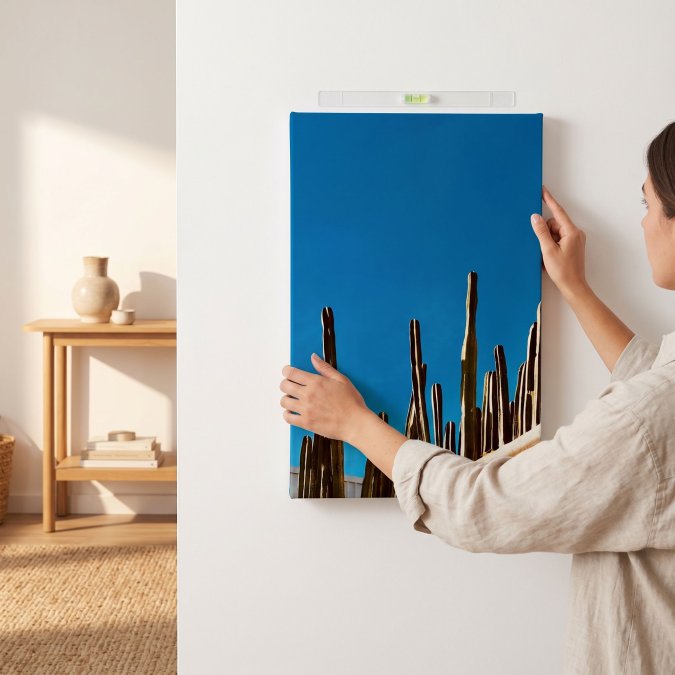
Creative labor is the single largest cost in original photography, and it's the one buyers almost never see. A finished image represents hours of scouting, shooting, culling, and editing that never appear on the label.
What most guides miss is how much of the work happens after the shutter clicks. A photographer might shoot hundreds of frames at one location to get a handful worth keeping, then spend hours on post-processing to shape color, contrast, and mood. That's skilled, time-intensive work.
- Scouting and travel to reach the location
- Shooting across changing light conditions
- Culling hundreds of frames down to a few
- Editing for color, tone, and print readiness
At CaliCuration, every image is founder-shot and never shared before, which means the full creative cycle sits behind each piece you see.
Why Photography Art Costs More: Materials, Equipment, and Overhead
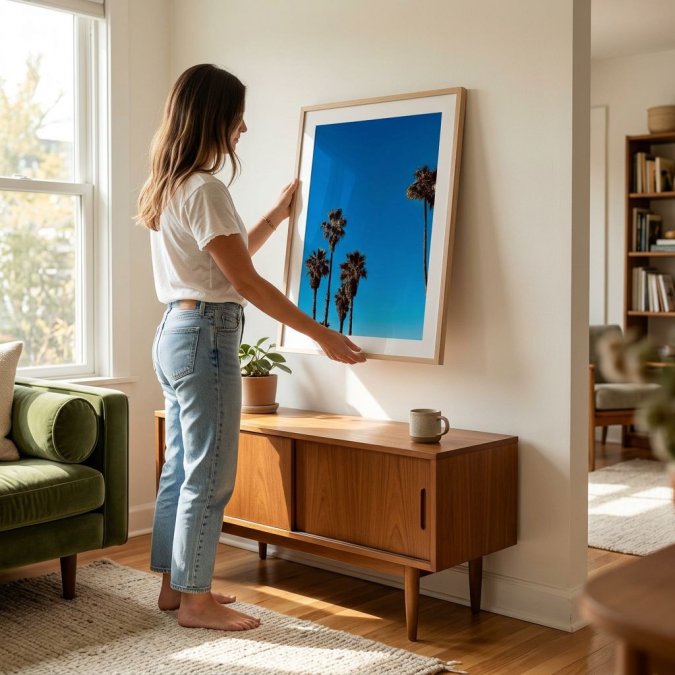
Photography art costs more because the price has to cover professional equipment, ongoing overhead, and the materials that make a print last, and those costs are spread across a surprisingly small number of finished pieces. A camera body, quality lenses, storage drives, editing software, and a calibrated monitor all carry real costs that get baked into every image sold.
What most guides skip is the production-time breakdown behind a single finished piece. Here's the shape of it, based on how we work at CaliCuration:
- Planning and scouting: choosing a location, checking tide charts or golden-hour windows, and mapping a route, often an afternoon before a single frame is shot.
- Shooting: arriving early, waiting for light, and shooting across changing conditions. A single keeper often comes from hundreds of frames.
- Culling and selection: reviewing every frame, flagging the few that hold up at full resolution, and rejecting the rest.
- Post-processing: color grading, dust cleanup, tonal shaping, and preparing a print-ready file, usually the longest single block of the cycle.
- Proofing and print prep: test prints, soft-proofing against the actual canvas or paper, and adjusting for how ink behaves on the final substrate.
Equipment also depreciates. Lenses wear, sensors age, shutters have a rated life, and editing software renews year after year whether or not a single print sells. Equipment also depreciates. Lenses wear, sensors age, shutters have a rated life, and editing software renews year after year whether or not a single print sells. This overhead has to be recovered across a limited catalog of originals, not spread across unlimited poster runs.
Then there's the print itself. Premium canvas, FSC certified wood frames, and gallery-wrap finishing cost far more than thin poster stock. Our Forest Stewardship Council guide to certified wood explains why responsibly sourced framing materials carry a premium, and that cost shows up in the final product.
Archival Print Standards That Keep Your Art Looking New
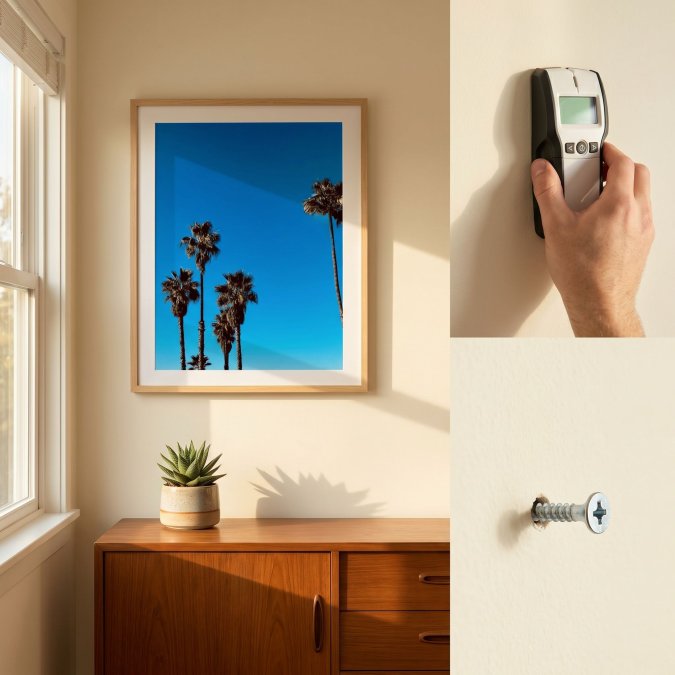
Archival print standards are the material and ink choices that determine whether a print stays vivid for decades or fades within a couple of years. They're a major reason original photography art costs more than a cheap poster.
Archival prints use pigment-based inks and acid-free, museum-grade papers or canvas. These materials resist yellowing, fading, and moisture damage far better than standard dye-based printing. That longevity is the whole point: you're buying a piece meant to hang on your wall for years, not a seasonal decoration. This commitment to enduring quality mirrors the broader principles of handcrafted goods economics, where the investment in superior raw materials justifies the higher cost of ownership.
| Standard | What It Means | Why It Costs More |
|---|---|---|
| Pigment inks | Fade-resistant color | Pricier than dye inks |
| Acid-free paper | No yellowing over time | Specialty mill production |
| FSC certified wood | Responsible framing | Certified sourcing |
| Gallery wrap | Finished edges, no frame gap | Extra labor per piece |
Quality assurance matters here too. A print that fails archival standards often means an expensive reprint or reframe down the road.
Limited Edition vs Open Edition Prints: What Changes the Price
Limited edition prints are produced in a fixed, numbered run, while open edition prints can be reproduced indefinitely. Scarcity is the core difference, and it directly affects value.
When a photographer caps a run at, say, 50 prints, each one becomes harder to obtain as the edition sells down.
- Limited edition: numbered, capped supply, higher price, stronger resale potential
- Open edition: unlimited supply, lower price, decorative rather than collectible
Art Print and Frame: Where Your Money Goes After the Shot
An art print and frame together account for a large share of the final price, and framing is often the part buyers underestimate. The shot is only the beginning; turning it into something you can hang takes materials, labor, and careful finishing.
Copyright, Licensing, and the Legal Value of Original Work
Here's how those three purchases differ:
- Buying a print: you own the physical object, the canvas or framed piece on your wall. You do not own the image. You can hang it, gift it, or resell the physical piece, but you can't reproduce it, print more copies, or use it commercially.
- Buying a license: you're granted specific, limited rights to use the image, for a website, a campaign, a book cover, or a set period of time. Licenses are priced by scope: where it runs, how long, how large, and whether it's exclusive. A one-time web license and an exclusive national campaign license are wildly different purchases, which is why licensing fees are a separate revenue stream from print sales.
- Buying full ownership (copyright transfer): rare, and priced accordingly. The photographer signs over the right to reproduce, distribute, and license the image. This is the most expensive option because the creator gives up all future earnings from that work.
Frequently Asked Questions
Why do photographers charge so much for prints?
A print price covers far more than paper and ink. It reflects the years of skill behind the shot, travel to reach the location, professional equipment, editing time, and archival print standards that keep colors true for decades. When you buy original photography art, you are paying for a one-of-a-kind creative vision, not a file that can be copied endlessly. That is the core reason photography art costs more than a mass-produced poster.
Why do limited edition prints cost more than open editions?
Limited edition prints are capped at a set number, so each piece becomes scarcer as the edition sells out. That scarcity, combined with the artist's signature and numbered certificate, gives the work potential to hold or grow in value. Open edition prints can be reproduced indefinitely, which keeps prices lower but removes the collectible element. The trade-off is simple: you pay more for exclusivity and long-term value.
How does archival quality impact the long-term value of wall art?
Archival print standards use pigment-based inks and acid-free papers or canvas so the image resists fading and yellowing for decades. A print that meets these standards keeps its color accuracy and detail, which protects both your enjoyment and any resale value. Non-archival prints may look fine at first but can shift within a few years, especially in bright rooms. Choosing archival art print and frame options is an investment in longevity.
What is the difference between mass-produced decor and original photography art?
Mass-produced decor is printed in large runs from stock or licensed images, often on thin paper with standard inks. Original photography art comes from a real moment captured by the artist, printed in small batches with archival materials and often signed or numbered. The difference shows in color depth, texture, and the story behind the image. You are choosing a piece with a traceable origin rather than a generic reproduction.
The next time a print seems expensive, look past the surface and ask what went into it: the hours, the gear, the archival materials, and the rights behind the image. That's the real price of original work, and it's why we build every CaliCuration piece around founder-shot photography, FSC certified wood framing, and a give-back commitment that sends 5% of every order to community impact efforts. Explore our California Red Sunset Series and bring a real, unrepeatable moment into your space.