

Last Updated: October 23, 2026
Quick Summary
Limited edition travel photography prints are produced in a fixed, predetermined quantity, creating genuine scarcity that typically helps them appreciate or hold their value over time, unlike open editions that can be reproduced indefinitely and usually depreciate.
- Limited editions document edition numbers with certificates of authenticity, proving ownership and increasing resale value.
- Scarcity from smaller edition sizes creates exclusivity and emotional weight that makes prints feel more personal and special.
- Professional-grade archival materials and 12-color printing preserve color depth and detail for decades when displayed away from direct sunlight.
- Artist reputation and body of work directly influence whether a limited edition print remains desirable and valuable over time.
- Travel photography resonates personally because it captures genuine moments and places that reflect viewers' own sense of wonder about the world.
Table of Contents
- Understanding Limited Edition vs Open Edition Prints
- Scarcity and Exclusivity Drive Collectibility
- The Role of Artist Reputation and Creative Vision
- Print Quality, Materials, and Archival Longevity
- Verifying Authenticity with a Photography Print Certificate of Authenticity
- How to Choose Art Prints for Your Home
- Framing and Caring for Photography Prints
- Why Travel Photography Matters as a Collecting Category
- Frequently Asked Questions
Understanding Limited Edition vs Open Edition Prints
When you're looking at travel photography prints, one of the first decisions you'll encounter is whether to invest in a limited edition or an open edition piece.
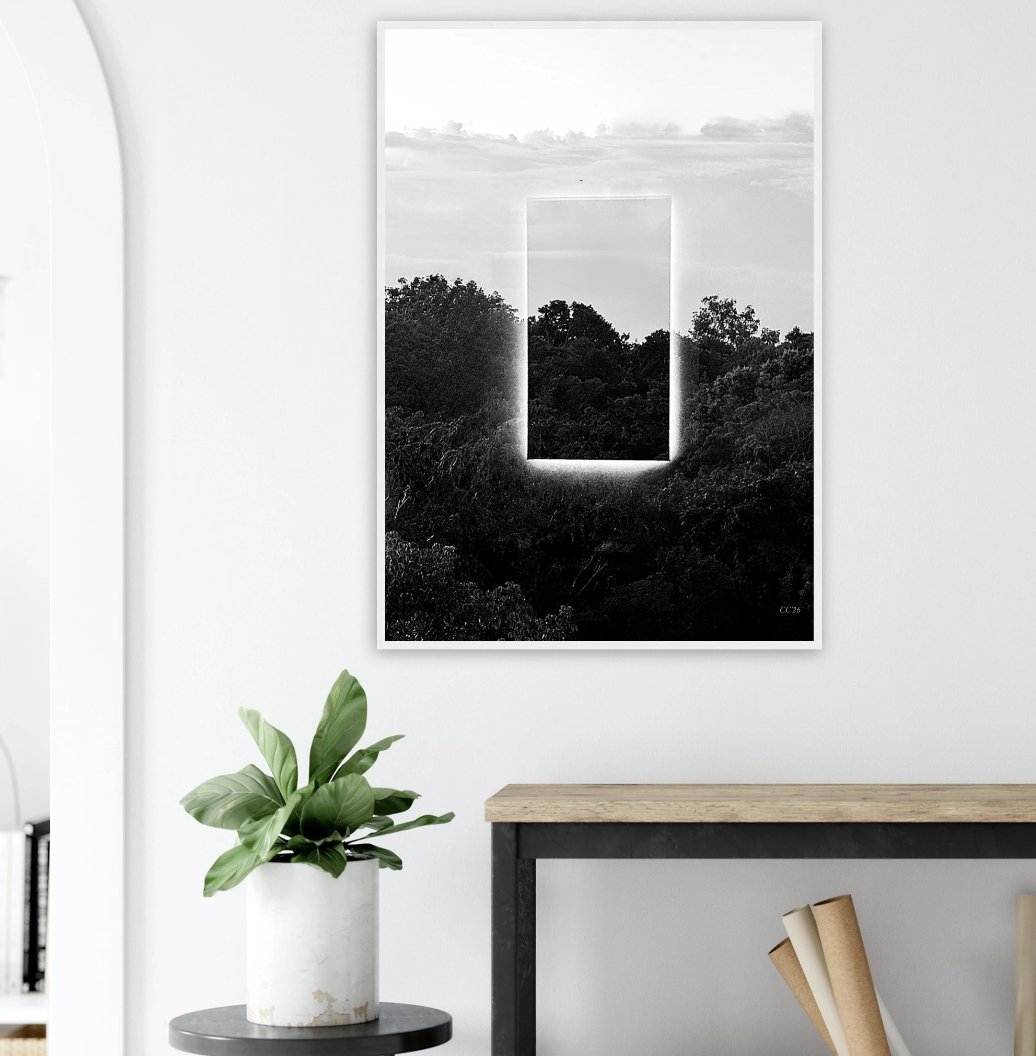
Limited edition prints are produced in a fixed, predetermined quantity. Once that number is reached, no more prints in that edition are made. Open edition prints, by contrast, can be reproduced indefinitely whenever demand exists. This fundamental distinction ripples through every aspect of collecting.
We've seen collectors approach this choice in two very different ways. Some prioritize the scarcity and investment potential that limited editions offer. Others prefer the accessibility and lower cost of open editions, viewing them as beautiful art without the financial speculation. Neither approach is wrong, but understanding what you're actually choosing matters.
With limited edition travel photography prints, you're buying into a finite release. That means your print is one of, say, 50 or 100 worldwide. The number is documented, often with a certificate, and once those prints sell, they're gone. This creates genuine scarcity. Open editions remove that constraint entirely.
Limited edition and open edition prints differ fundamentally in how they're produced and what that means for your purchase.
Format |
Production |
Availability |
Value Potential |
|---|---|---|---|
Limited Edition |
Fixed, predetermined quantity |
Finite, once sold out they're gone |
Typically appreciates or holds value |
Open Edition |
Reproduced indefinitely |
Can be ordered anytime |
Typically depreciates over time |
Scarcity and Exclusivity Drive Collectibility
Here's where the real appeal of limited edition travel photography prints emerges: scarcity creates desire, and desire creates value.
When you own one of 25 prints of a particular image, you're part of an extremely small group. See a real example of this exclusivity with our limited releases. That exclusivity has psychological weight. It makes the piece feel more special, more intentional, more yours.

This scarcity also affects the secondary market. Limited editions, especially from respected photographers, tend to appreciate over time or at minimum hold their value. Open editions typically depreciate because there's no supply constraint, new copies can always be printed. If you ever decide to sell, a limited edition print gives you something tangible to offer: rarity.
That's not guaranteed to happen, but the structure makes it possible in a way open editions simply don't.
The exclusivity also means fewer people will have the exact same print on their wall. In an era of mass-produced décor, that distinction matters to people who want their spaces to feel genuinely personal.
The Role of Artist Reputation and Creative Vision
The artist behind the work matters enormously when you're deciding whether a limited edition travel photography print is worth your investment.
An unknown photographer releasing 50 limited edition prints has created scarcity, yes, but scarcity alone doesn't guarantee value. What transforms a limited edition into something truly collectible is the reputation, vision, and body of work behind it.
We believe that the best limited edition travel photography prints come from photographers who have spent years developing their craft and their eye. They understand composition, light, and the emotional resonance of a place. Their work tells stories rather than just documenting scenes.
This is why Limited Edition prints from established photographers command higher prices than comparable work from newcomers. The artist's reputation is part of what you're paying for. It's also what protects your investment.
When evaluating an artist's work, look at their body of photography over time. Do you see consistent quality? Do you see growth and evolution? Do you see a distinctive point of view?
Print Quality, Materials, and Archival Longevity
Owning a beautiful limited edition travel photography print means nothing if it fades, yellows, or deteriorates within a few years.
This is where the technical side of printing becomes critical. Learn how to choose prints with materials and processes that preserve beauty for decades.
We prioritize materials because a limited edition is only truly valuable if it remains beautiful. Common choices include fine art matte paper, which offers a sophisticated, museum-like appearance, and metallic or glossy finishes, which bring out vivid color and create visual impact.
The printing process itself matters too. Professional 12-color printing technology captures subtle gradations in travel photography, the soft light of dawn, the complexity of a landscape, the warmth of a moment, in ways that standard 4-color printing simply cannot.
The Library of Congress's guidelines on archival standards recommend specific paper types and inks for prints intended to last over 100 years.
Check with the producer about their specific materials. Ask about paper weight, ink type, and any certifications they hold for archival quality.
Verifying Authenticity with a Photography Print Certificate of Authenticity
When you buy a limited edition travel photography print, you need proof that it's genuine and that it's actually part of the edition you think you're buying.
This is where a certificate of authenticity becomes essential.
A photography print certificate of authenticity serves several purposes. It protects you against fraud or misrepresentation. It increases the print's resale value because future buyers can verify its legitimacy.
We recommend always requesting a certificate with any limited edition purchase. If a seller won't provide one, that's a red flag.
The certificate should include the artist's signature or mark, the print's edition number and total edition size, the date, and ideally information about the materials and printing process used.
When you receive your print, verify that the information on the certificate matches what you agreed to purchase. Check that the edition number is within the stated range and that the materials match what was promised.
How to Choose Art Prints for Your Home
Buying a limited edition travel photography print isn't just about the print itself, it's about how it will work in your space and whether it genuinely speaks to you.
The first step is honest self-assessment. What draws you to travel photography? Is it the sense of wandering and discovery? The visual beauty of a specific place? The emotional resonance of a moment?
Consider your existing décor and color palette. Travel photography prints range from warm, saturated colors to cool, minimalist tones. A limited edition print should enhance your space, not clash with it.
Think about scale and placement too. Explore practical strategies for arranging travel photography in your home to create cohesive, meaningful gallery walls. A large-format limited edition travel photography print commands attention and becomes a focal point.
We also recommend considering the photograph's subject matter in relation to your personal connection to travel. A print of a place you've visited carries different emotional weight than a photograph of somewhere you've always dreamed of going.
Framing and Caring for Photography Prints
How you frame and display your limited edition travel photography print directly affects both its longevity and its visual impact in your space.
Framing serves multiple purposes. It protects the print from dust, moisture, and physical damage. It enhances the visual presentation by creating a finished, intentional look.
When framing, use UV-protective glass or acrylic. This is non-negotiable for prints you plan to keep for decades. UV protection prevents fading from light exposure, which is one of the primary threats to print longevity.
Display your framed print away from direct sunlight, heat sources, and areas with high humidity. A bathroom or kitchen near a window might look beautiful, but the moisture and temperature fluctuations will damage the print over time.
Cleaning is simple: use a soft, dry cloth to gently dust the glass. Never use cleaning solutions or water on the print itself.
We recommend having your limited edition travel photography print professionally framed if you're investing significantly in the piece.
Why Travel Photography Matters as a Collecting Category
Travel photography holds a unique place in the art world because it bridges the personal and the universal.
When you look at a limited edition travel photography print, you're seeing the world through someone else's eyes at a specific moment in time. That photograph captures light, emotion, composition, and a sense of place that the photographer deemed worth preserving.
Travel photography also resonates because so many of us have experienced the desire to travel, to see new places, to capture moments that feel meaningful.
The point here is that collecting limited edition travel photography prints isn't just about acquiring art, it's about surrounding yourself with images that reflect your values and your sense of wonder about the world.
That kind of intentional collecting creates spaces that feel genuinely personal and curated, not assembled from generic sources.
The limited edition format protects that authenticity. It ensures that the photographer's work remains exclusive and valuable, not mass-produced into commodification.
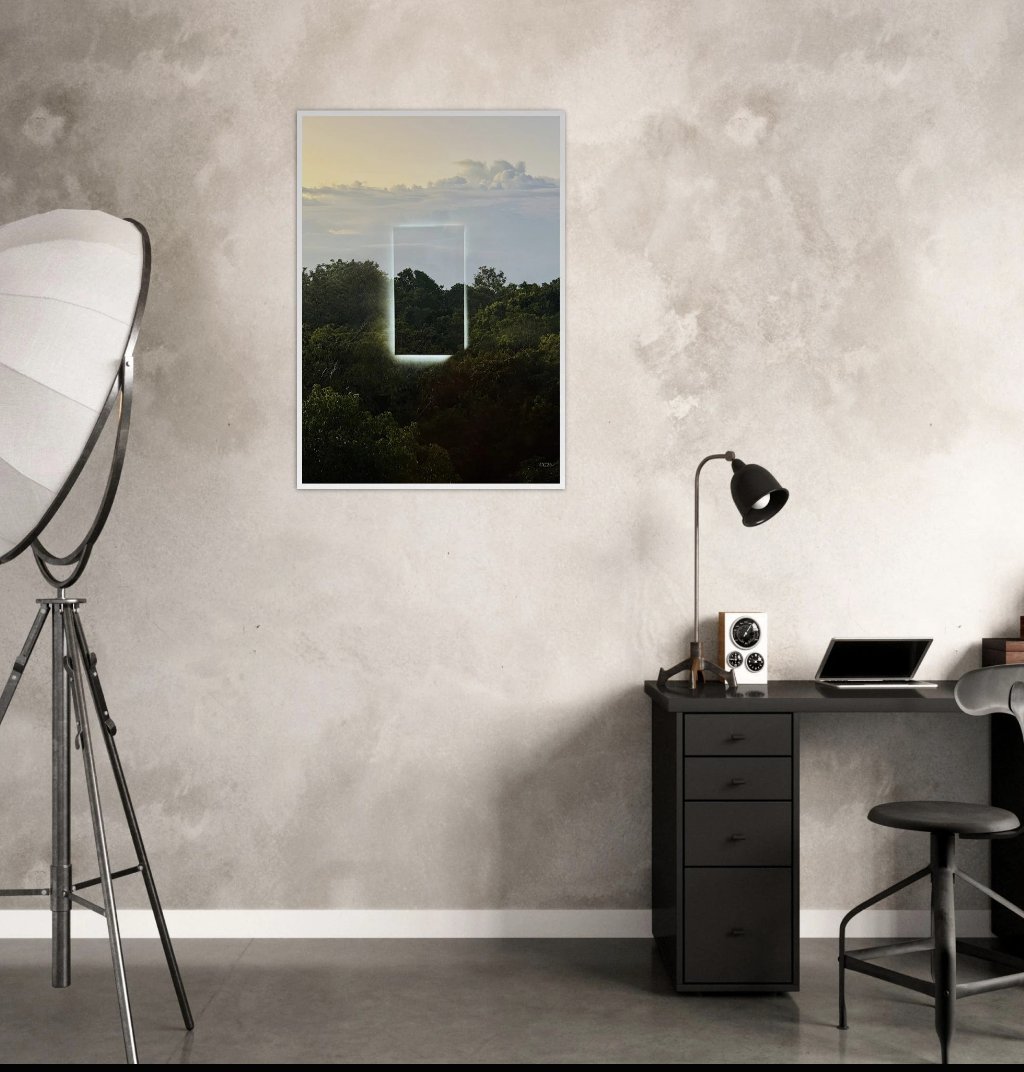
Choosing a limited edition travel photography print is about more than acquiring wall art. We recommend our A Window into Jungle Stillness | Exclusive Edition of 5 - Color or A Window into Jungle Stillness | Exclusive Edition of 5 - B/W prints, which exemplify this approach: a finite release of just five prints in color and five in black-and-white, each bearing the artist's mark and printed on archival-quality materials.

Frequently Asked Questions
What does limited edition mean for a photography print?
A limited edition print is produced in a finite quantity set by the artist—often just 5, 50, or 250 copies worldwide. Once that edition sells out, no more are made. This scarcity gives the print exclusivity and collectibility. Each limited edition travel photography print typically comes with an edition number (like 3 of 5) and a certificate of authenticity proving its place in the series. Open editions, by contrast, can be reprinted indefinitely, which affects both the print's uniqueness and long-term value.
Why should I choose a limited edition print over an open edition?
Limited edition prints offer genuine scarcity—you own one of only a handful worldwide. This exclusivity means your piece won't appear in dozens of other homes, and the finite supply protects the artistic value over time. Open editions are reprinted constantly, so the market never tightens. If emotional connection and owning something truly rare matter to you, limited editions deliver that. They also tend to hold or appreciate in value, whereas open editions typically depreciate.
How can I verify that a limited edition travel photography print is authentic?
A legitimate limited edition print should include a certificate of authenticity stating the edition number, total number produced, the artist's name, and the date. Ask the seller for this certificate before buying. Check that the print itself is numbered (usually on the back or in the margin). For example, our 'A Window into Jungle Stillness | Exclusive Edition of 5' prints bear the CC’26 mark, certifying their place in the collection. Be cautious of sellers who can't provide documentation or whose numbering seems inconsistent.
What should I look for when choosing a travel photography print for my space?
Start with the image itself: does it resonate with you emotionally or remind you of a place that matters? Consider size relative to your wall—a print should anchor the space without overwhelming it. Think about color palette and whether it complements your existing décor. Check the print quality and materials; fine art papers and professional printing ensure durability and color accuracy. Finally, verify the artist's background and whether the work aligns with your values. For travel-inspired pieces, look for authentic, original photography rather than staged or stock imagery.
