

Art gifts outlast consumables because they trigger a psychological preservation instinct that consumables simply cannot activate. When you give someone a beautifully crafted piece of wall art, their brain reads the visible effort and signals: protect this, don’t use it up. Consumables offer a moment of pleasure and then disappear. Art stays on the wall, catches the morning light, and quietly deepens its meaning every time someone glances at it. Understanding why this happens makes you a far more thoughtful gift giver, and it changes what you reach for the next time a meaningful occasion arrives.
Why art gifts outlast consumables: the craftsmanship effect
Visible craftsmanship is the first reason art gifts endure. When a recipient sees texture, composition, or the unmistakable mark of human effort in a piece, their brain applies what psychologists call the effort heuristic: the more effort something appears to have required, the more valuable it feels. That perceived value triggers reverence, not consumption.
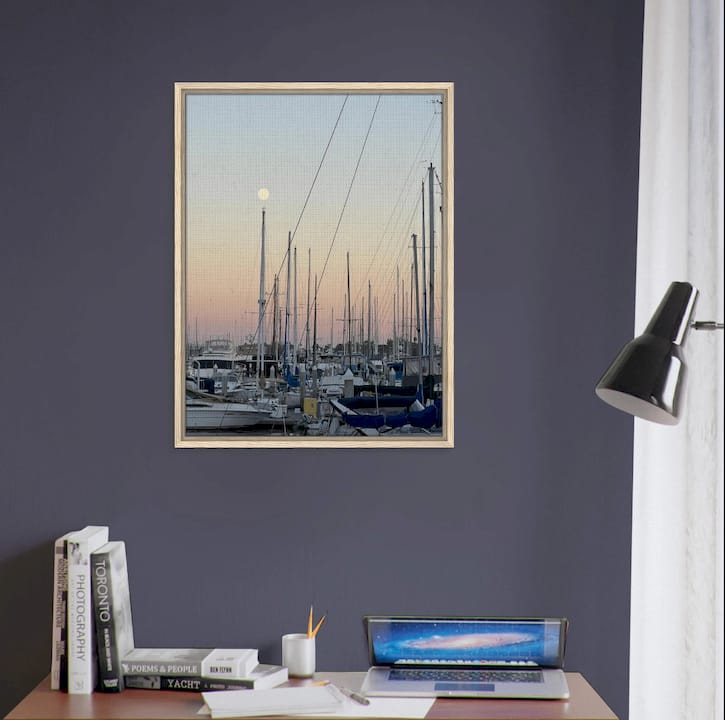
Research shows that decorated items get used 44% less than plain versions, and recipients prefer plain alternatives 80% of the time specifically to avoid “destroying” the artistry. That instinct is not irrational. It reflects a deep respect for craft. A bottle of wine disappears in an evening. A handcrafted photograph of the California coast stays framed on the wall for years.
Art gifts are also physically built to last. Unlike consumables, which degrade through use, a quality print or canvas actually honors the maker’s intent by being displayed. The act of hanging it is the act of using it, and that use never diminishes the piece.
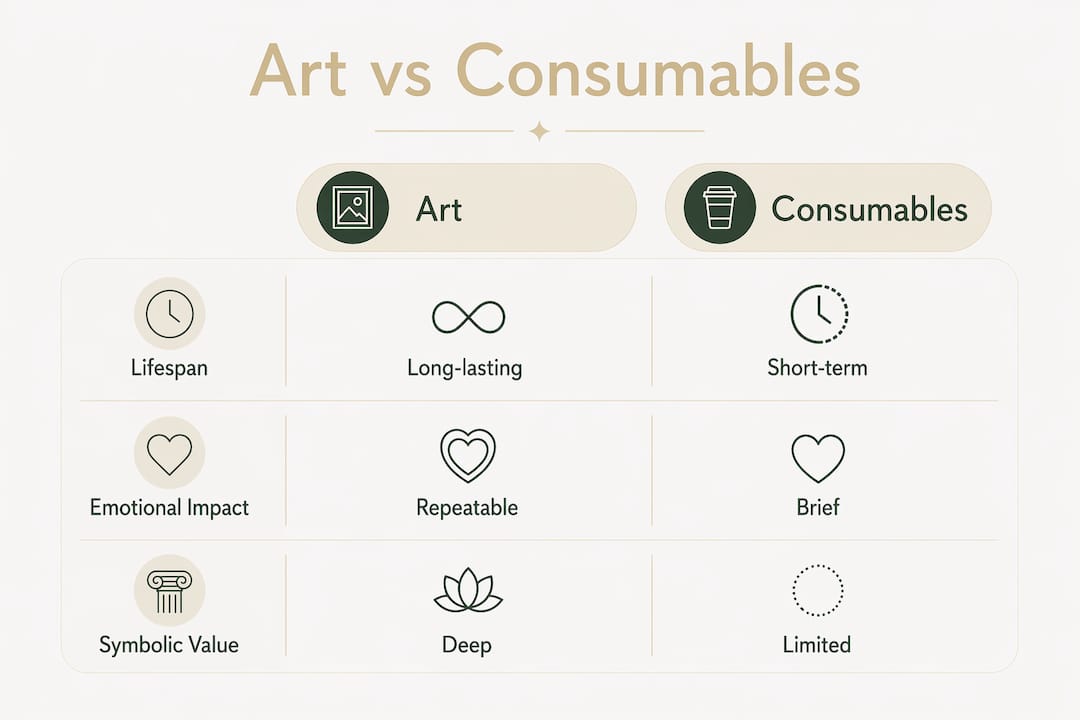
| Aspect | Consumables | Art gifts |
|---|---|---|
| Lifespan | Single use or short-term | Years to decades |
| Psychological response | Pleasure, then absence | Reverence, preservation |
| Physical durability | Degrades with use | Maintained through display |
| Emotional residue | Fades after consumption | Deepens over time |
Pro Tip: Choose pieces with visible texture, layered composition, or a clear story behind the image. The more craftsmanship a recipient can see, the stronger their instinct to preserve it.
How art gifts create a repeatable emotional reward
The brain’s response to art is not a one-time event. Viewing emotionally resonant art triggers dopamine release linked to bonding and happiness, and that response repeats every time the piece catches your eye. Consumables deliver a single dopamine hit at the moment of use. Art delivers that hit again and again, for years.
This is the neurochemical case for art gifts longevity. A beautiful image of a desert road at golden hour or a Pacific coastline at dusk does not just decorate a room. It reactivates a feeling each time someone walks past it. That repeated emotional engagement is what makes art a gift that compounds in value rather than depletes.
Art types that tend to maximize this effect include:
-
Travel photography that captures a place the recipient loves or longs to visit, creating a personal emotional anchor
-
Landscape prints with warm or cool tones that shift subtly with the room’s natural light, keeping the piece visually alive
-
Story-driven images with a clear provenance or narrative, giving the recipient something to share with guests
-
Large-format wall art that occupies enough visual space to be noticed daily rather than overlooked
The key is emotional resonance. A generic image fades into the background. An image that speaks to someone’s memory, identity, or longing stays vivid.
The symbolic and social value that consumables can’t match
Art gifts carry symbolic weight that functional or consumable gifts simply cannot hold. Displayable gifts integrate into daily routines and identity in a way that a candle or a box of chocolates never will. Functional gifts, as one body of research puts it, tend to “disappear into function.” Art gifts occupy both mental and physical space, continuously.
Psychologists describe this through the concept of the extended self: the objects we display in our homes become part of how we define ourselves. A piece of art on the wall is not just decoration. It is a statement about who we are, what we value, and who gave us something worth keeping.
Art gifts also become conversation starters and, over time, family heirlooms. To make sure that happens, match the gift to the recipient’s world:
-
Note their existing décor palette. Warm terracotta and wood tones call for earthy, sun-drenched imagery. Cool grays and whites pair with coastal or architectural photography.
-
Consider their wall space. A large open wall in a living room is an invitation. A small apartment calls for a single, carefully chosen statement piece.
-
Think about their story. A place they’ve traveled, a landscape they grew up near, or a city they love will always outperform a beautiful but impersonal image.
-
Choose quality materials. Handcrafted wall art can increase in value over time and signals a giver’s intent for legacy, not trend.
How to choose art gifts that will actually be treasured
Choosing art for someone else feels risky, but the principles are straightforward. The goal is to find a piece that fits their space, reflects their taste, and carries a story they want to live with. Art aligned with a recipient’s home palette and style tolerance is far more likely to be displayed permanently rather than stored or quietly donated.
Here is what to look for:
-
Visible craftsmanship or photographic depth. A flat, generic print reads as an afterthought. A richly detailed image or a piece with tactile quality reads as intentional.
-
A clear subject or story. The best art gifts give the recipient something to feel, not just something to look at. A photograph of salt-sprayed cliffs at dusk tells a story. A vague abstract does not always land the same way.
-
Customization potential. Pieces that can be sized to fit a specific wall, or printed on a material that suits the room’s texture, show a level of care that generic gifts cannot match.
-
Provenance and authenticity. Knowing that a photograph was taken by the founder of a brand during a real journey through California adds meaning that a stock image never carries.
Pro Tip: When in doubt, balance uniqueness with universal appeal. A striking coastal photograph works in almost any home. A hyper-specific abstract may only resonate with one person in ten. Choose something that feels personal but not so niche that it becomes a puzzle.
Key Takeaways
Art gifts outlast consumables because visible craftsmanship triggers preservation instincts, repeated art viewing delivers ongoing emotional rewards, and displayable pieces become part of a recipient’s identity over time.
| Point | Details |
|---|---|
| Craftsmanship drives preservation | Visible effort signals value, causing recipients to protect art rather than consume it. |
| Dopamine repeats with art | Emotionally resonant art triggers repeated neurochemical rewards, unlike single-use consumables. |
| Displayable gifts extend meaning | Art integrates into daily life and identity, keeping the gift and the relationship alive. |
| Match art to recipient’s space | Aligning palette, scale, and story dramatically increases the chance the piece stays on the wall. |
| Story and provenance add depth | Art with a real narrative behind it compounds in meaning over years, not days. |
Why we believe art is the most honest gift you can give
We have watched people unwrap art and pause in a way they never do with a gift card or a bottle of wine. There is a moment of genuine stillness. The gift requires something of them: attention, feeling, a decision about where it belongs in their home. That is not a burden. That is the gift working exactly as it should.
We started Calicuration during the pandemic in Los Angeles, photographing the coast, the desert, and the city glow because we needed to remember that beauty was still out there. When those images became gifts, we noticed something: people did not just hang them. They talked about them. They pointed to them when guests arrived. They sent us notes months later saying the piece still made them feel something.
Consumables are generous. But art is generous and lasting. It asks to be kept. And in our experience, it almost always is. Choosing art as a meaningful gift is not a grand gesture. It is a quiet, confident one.
— Info
If you are looking for a gift that will still be on someone’s wall five years from now, our California wall art collection is a good place to start. Every order also supports community impact efforts in Los Angeles and New York City, so the gift carries meaning beyond the frame. Browse our top gift picks to find something worth keeping.
FAQ
Why do art gifts last longer than consumable gifts?
Art gifts trigger the effort heuristic, a psychological response that causes recipients to preserve rather than use up a gift. Visible craftsmanship signals value, and that perceived value translates into years of display rather than days of enjoyment.
What makes a piece of art emotionally resonant as a gift?
Emotional resonance comes from personal connection: a place the recipient loves, a landscape tied to a memory, or an image that reflects their identity. Repeated viewing of resonant art triggers dopamine release, reinforcing the emotional bond over time.
How do I choose art that will actually be displayed?
Match the piece to the recipient’s existing décor palette, wall space, and personal story. Art aligned with home style is significantly more likely to be hung permanently rather than stored away.
Can art gifts become heirlooms?
Yes. Handcrafted wall art can increase in value over time and often becomes a family conversation piece passed between generations. The key is choosing quality materials and a subject with lasting personal meaning.
Are art gifts better than experience gifts?
Art gifts and experience gifts serve different purposes. Experiences create memories in the moment. Art gifts extend the life of a relationship by remaining visible and emotionally active in a recipient’s daily environment long after the occasion has passed.