

Table of Contents
- What Makes Wall Art Truly Eco-Friendly
- Best Eco-Friendly Printing Materials to Look For
- How to Identify High-Quality Art Prints
- Sizing and Proportion: Choosing the Right Fit for Your Space
- Caring for Your Eco-Friendly Wall Art: Maintenance and Longevity
- How to Track Charitable Donations From Your Purchases
- Certifications and Standards That Matter
- Frequently Asked Questions
Last Updated: September 30, 2026
What Makes Wall Art Truly Eco-Friendly
When you're shopping for eco-friendly wall art, authenticity matters more than a single green label. Real sustainability spans the entire journey, from how the image is captured to the materials used, the printing process, and even what happens when the piece reaches the end of its life.
We define eco-friendly wall art as pieces created with intentional choices at every stage: responsibly sourced materials, low-impact printing methods, minimal packaging waste, and honest transparency about the environmental footprint. It's not just about using recycled paper or plant-based inks. It's about a brand that thinks through the full lifecycle.
At CaliCuration, we partner with print-on-demand studios that prioritize sustainable manufacturing processes. This means no mass production sitting in warehouses, no overstock waste, and materials chosen specifically for durability and minimal environmental impact. Each piece is made to order, reducing the carbon footprint that comes with traditional large-scale printing.
The key distinction: sustainable materials alone don't make sustainable art. A print on recycled paper that fades in six months isn't eco-friendly, it's wasteful. True eco-friendly wall art combines durable finishes with responsible sourcing, so your investment lasts for years.
Best Eco-Friendly Printing Materials to Look For
The materials your wall art is printed on determine both its longevity and environmental impact. Understanding what to look for helps you make choices that align with your values and your space.
Archival Paper and Fade-Resistant Inks
Archival matte paper is the gold standard for fine art prints. These papers are acid-free, lignin-free, and designed to resist yellowing and deterioration for decades. When paired with fade-resistant inks, archival paper creates prints that maintain their color and clarity through years of exposure to natural light.
Fade-resistant inks matter because they determine how long your print stays vibrant. UV-protected inks are engineered to resist fading, particularly important if your wall art hangs in a bright room or near windows. The combination of archival paper and fade-resistant inks is what separates a print that looks fresh for ten years from one that dulls within two.
Look for papers certified for archival quality, this means they've been tested for permanence and meet strict standards for longevity (Call for Participation to Revise ANSI/NISO Paper Permanence Standard). Many eco-conscious brands use non-toxic, VOC-free inks that reduce indoor air quality concerns while delivering the color depth and durability you want.
Canvas and Sustainable Framing Options
Canvas prints offer a different aesthetic and durability profile. High-quality canvas is typically made from cotton or a cotton-poly blend, stretched over wooden frames. The best eco-friendly canvas uses sustainably sourced cotton and frames made from responsibly harvested wood.
When canvas is paired with fade-resistant inks and a protective finish, it becomes exceptionally durable. Canvas naturally resists dust and moisture better than paper, making it ideal for spaces like kitchens or bathrooms where humidity fluctuates. The texture adds dimension that flat prints don't offer, creating a more gallery-quality appearance.
For framing, look for options made from sustainably harvested wood or recycled materials. Aluminum frames offer a sleek, modern look and are infinitely recyclable. The frame you choose affects both the visual impact and the environmental footprint, a simple wood frame from responsibly managed forests is always preferable to plastic or non-recyclable composites.
How to Identify High-Quality Art Prints
Quality shows in details you can evaluate before you buy. Knowing what separates a premium print from a mediocre one helps you invest confidently in pieces you'll love long-term.
Start by examining the color depth and consistency. A high-quality print displays rich, even color without banding (visible stripes) or fading within the same image. The blacks should be deep, not muddy. Whites should be clean, not yellowed. If you're shopping online, read customer reviews specifically about how colors appear in person, this is where many prints disappoint.
Check the paper weight and finish. Heavier papers (typically 200gsm or higher) feel substantial and professional. The finish matters too: matte finishes reduce glare and feel more refined, while glossy finishes create vibrancy but can feel plastic-like. Semi-gloss offers a middle ground.
Look at the registration, how precisely the colors align. Slight misalignment is visible to the naked eye and signals lower-quality printing. Premium prints maintain perfect color registration across the entire image. The edges should be clean and even, not feathered or rough.
For canvas prints, examine the weave and tension. The canvas should be taut and even, without sagging or wrinkles. The image should be printed edge-to-edge with no white borders unless intentional. Stitching on the back should be secure and hidden.
Request samples or look for detailed close-up photos in product listings. Reputable brands like CaliCuration provide high-resolution images so you can evaluate quality before ordering. If a brand doesn't show detailed photos or doesn't offer a sample option, that's a red flag.
Sizing and Proportion: Choosing the Right Fit for Your Space
The wrong size can make even beautiful art feel awkward. The right size transforms a room.
Start by measuring your wall space carefully. A common mistake is choosing art that's too small, it gets lost and feels disconnected from the room. As a general rule, your art should take up about 50-75% of the wall space above a piece of furniture (like a sofa or desk). If you're hanging art alone on a wall, aim for it to occupy about one-third of the wall's visual space.
Consider the viewing distance. Art in a hallway or entryway is viewed from a distance, so larger pieces work better. Art above a desk or nightstand is viewed up close, so smaller prints are appropriate. A piece you'll see every day from your bed should be sized so details are visible from that distance.
For multiple pieces, think about how they relate to each other. A gallery wall works best when pieces are balanced, similar sizes create calm, while varied sizes create visual interest. The spacing between frames matters too. Aim for 2-3 inches between frames for a cohesive look.
CaliCuration provides multiple size options for each design, letting you choose what works for your specific space. Never guess on sizing, take the time to measure and visualize before ordering.
Caring for Your Eco-Friendly Wall Art: Maintenance and Longevity
How you care for your wall art determines whether it looks fresh for five years or fifty.
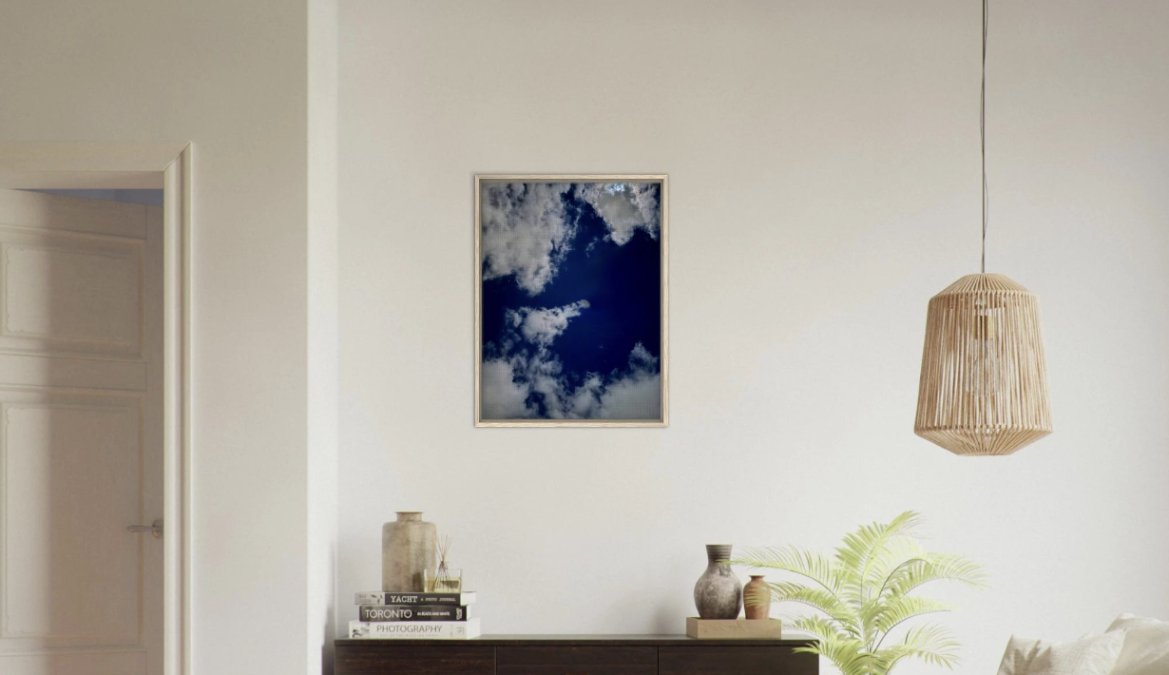
For archival paper prints, dust gently with a soft, dry cloth every few months. Avoid touching the surface directly, oils from your skin can damage the print over time. Never use water or cleaning solutions on paper prints, as moisture can cause warping or fading.
Canvas prints are more forgiving. Dust with a soft brush or cloth, and if needed, you can gently wipe with a barely damp cloth. Allow it to dry completely. Canvas is more resistant to humidity than paper, but extreme fluctuations in temperature and moisture can still cause damage.
Protect your art from direct sunlight, which accelerates fading even with fade-resistant inks. UV-protected glass in framing helps, but the most important step is positioning. Avoid hanging art directly opposite windows or in rooms with intense afternoon sun. Climate-controlled spaces are ideal, fluctuating humidity and temperature cause paper to expand and contract, leading to warping and cracking.
For long-term storage, keep prints in acid-free sleeves in a cool, dry place. Never store in basements or attics where moisture and temperature swings are extreme. Proper storage preserves the piece if you ever want to rehang it or pass it on.
The durability of your eco-friendly wall art depends on the quality of materials and the care you provide.
How to Track Charitable Donations From Your Purchases
One of the most meaningful reasons to choose eco-friendly wall art is the opportunity to support causes you care about. Many brands now partner with nonprofits, directing a percentage of sales to community impact. Knowing how to track and verify these donations ensures your purchase truly makes a difference.
Keep your receipts and donation confirmations.
Certifications and Standards That Matter
Certifications provide third-party verification that a brand's sustainability claims are real. Knowing which certifications matter helps you distinguish genuine eco-friendly products from greenwashing.
Frequently Asked Questions
How can I tell if a wall art print is high quality and long-lasting?
Look for prints made with archival-quality materials, fade-resistant inks, and acid-free paper or canvas. Check if the supplier specifies their ink type, paper weight, and whether materials meet longevity standards. Authentic manufacturers provide detailed material composition rather than vague claims. Original photography also tends to hold its quality better than mass-produced reproductions.
What materials make wall art eco-friendly?
Eco-friendly wall art uses recycled or sustainably sourced materials, non-toxic inks, and responsible manufacturing processes. Look for prints on archival matte paper, canvas, and frames from responsibly managed wood or recycled aluminum. Print-on-demand production reduces waste by creating pieces only when ordered. Certifications like FSC (Forest Stewardship Council) for paper and GREENGUARD for low-emission materials indicate genuine sustainability. Avoid glossy finishes with heavy chemical coatings and seek suppliers committed to waste reduction.
How do I properly care for eco-friendly wall art to ensure it lasts?
Keep your eco-friendly wall art away from direct sunlight, which fades even UV-protected inks over time. Dust gently with a soft, dry cloth every few months—avoid moisture and harsh cleaners. Maintain stable indoor temperature and humidity levels to prevent warping or color shifts. Hang pieces away from heat sources, air vents, and humid areas like bathrooms. If your art uses fade-resistant inks and archival materials, proper climate control will extend its life significantly. Store any extra prints in acid-free sleeves in a cool, dry place.
How can I track charitable donations from my wall art purchases?
When you buy eco-friendly wall art from brands with giving commitments, check your order confirmation and receipt for donation details. Many suppliers include impact statements showing which organizations received support from your purchase. Look for transparency in how much of each sale goes to causes—reputable brands clearly state their percentage. Some brands provide annual impact reports showing total donations and community projects funded. Ask the seller directly for documentation or a receipt that breaks down the charitable portion.