

Last Updated: October 26, 2026
Quick Summary
Supporting local art matters because it keeps money circulating in the local economy, stabilizes artist incomes, and builds social cohesion through shared creative events. Community art projects also strengthen cultural identity and neighborhood revitalization when residents help shape them.
- Buy directly from artists at markets, open studios, and pop-up art events.
- Commission a small piece for a hallway or entryway to support a maker.
- Start community projects with listening sessions, not paint, so work isn't imposed.
- Budget for the whole life of a project, not just the launch.
- At CaliCuration, five percent of every order funds community impact in Los Angeles and New York City.
Table of Contents
- How Art Brings Community Members Together
- The Benefits of Supporting Local Artists
- Ways to Support Local Artists in Your Community
- Community Art Projects Examples That Work
- How to Track Charitable Donations from Purchases
- Art as a Form of Self-Expression and Cultural Identity
- Bringing Local Art into Your Home with CaliCuration
- Frequently Asked Questions
How Art Brings Community Members Together
Walk down a street where a mural just went up and you'll notice something: people stop. They point, they take photos, they talk to strangers about what they're seeing. That small pause is where community begins, and it's why supporting local community impact through art matters more than most of us realize. At CaliCuration, we've spent years photographing real places and real moments.
Community art is any creative work made with, for, or alongside the people who live near it. It includes murals, pop-up art, neighborhood installations, and the small gallery shows that turn empty storefronts into gathering spaces. The National Endowment for the Arts' community arts research has long documented how these projects build resident participation and a stronger sense of belonging.
Here's the part most guides miss: the value isn't only in the finished piece. It's in the making. When neighbors paint a wall together, they build trust that outlasts the paint.
The Benefits of Supporting Local Artists
When you buy from a local artist, you do more than decorate a wall. You fund a person's creative expression, keep money circulating in the local economy, and signal that culture belongs in your neighborhood. The difference between a vague feel-good claim and a real benefit is whether you can point to something that changed.
- Artist income stability. A working artist's calendar is lumpy. Direct sales, commissions, and market appearances smooth it out. A common pattern is that repeat buyers, not one-time tourists, are what let an artist plan a season instead of a week.
- Local economic circulation. Money spent with a neighborhood maker tends to stay closer to home than money spent with a national chain. Community development practitioners often track this through small-business openings near arts activity, though it's worth being honest: arts activity and business growth correlate, and separating cause from coincidence takes years of data.
- Cultural identity. A recognizable visual language, a mural style, a recurring motif, a signature palette, makes a place memorable. That's a real asset for tourism and for residents who want their neighborhood to feel like somewhere, not anywhere.
- Social cohesion and belonging. Shared creative events give neighbors a low-stakes reason to be in the same room. Perceived belonging is one of the few impact measures residents can report on directly, which makes it useful for small projects that can't afford a formal study.
- Neighborhood revitalization. Visible care for public spaces signals that people are paying attention. That signal can attract further investment, but it can also precede displacement if it isn't paired with affordability protections, a trade-off we think is worth naming rather than glossing over.
- Mental health and well-being. Creative engagement supports well-being for makers and viewers alike, and the American Psychological Association's research on art and well-being treats it as a meaningful contributor rather than a nice-to-have.
If you want to dig deeper into what ethical art buying really means, our guide on fair trade versus eco-friendly home decor breaks down the values behind the choices. You can also see the nonprofits we're proud to support to understand where community impact actually lands.
Here's a quick look at the benefits of buying from local artists and what each one actually means.
| Benefit | What it means |
|---|---|
| Artist income stability | Direct sales, commissions, and market appearances smooth out lumpy calendars |
| Local economic circulation | Money spent with a neighborhood maker tends to stay closer to home |
| Cultural identity | A recognizable visual language makes a place memorable |
| Social cohesion and belonging | Shared creative events give neighbors a low-stakes reason to gather |
| Neighborhood revitalization | Visible care for public spaces signals that people are paying attention |
| Mental health and well-being | Creative engagement supports well-being for makers and viewers alike |
Ways to Support Local Artists in Your Community
Support doesn't require a big budget. It requires attention.
Try these practical steps:
- Buy directly from artists at markets, open studios, and pop-up art events.
- Commission a small piece for a hallway or entryway.
- Share their work with your own circle, since visibility is currency for independent creatives.
- Attend community outreach events and arts programming at local schools or centers.
- Collaborate with artists on neighborhood projects or workplace displays.
If you're an organization or creative who wants to get involved, you can collaborate with CaliCuration on community-minded art initiatives.
Community Art Projects Examples That Work
1. Start with listening, not paint. The biggest mistake organizers make is skipping the listening phase. When a project arrives without resident input, even beautiful work can feel imposed. Hold two or three low-pressure sessions, a park table, a library room, a school gym, and ask what people want to see, what they'd rather not see, and who should be involved. Language access matters here: offer materials in the languages spoken in the neighborhood, and provide interpretation when you can.
2. Choose the format that fits the site. Different formats solve different problems:
- Neighborhood murals work best on walls with clear ownership and a maintenance plan. Co-design with residents, then let a lead artist translate the input into a final design.
- Pop-up art markets pair local makers with small businesses and give artists a low-cost way to test new work. They also spread foot traffic to storefronts that need it.
- Youth arts programming hosted in inclusive public spaces builds skills and belonging at once, but it needs consistent staffing and safeguarding policies to be more than a photo op.
- Storytelling installations that capture local culture and history are powerful when residents control the narrative, and risky when outsiders edit it.
3. Budget for the whole life of the project, not just the launch.
4. Sort out permissions and ownership early. Who owns the wall? Who signs off on the design? Who can reproduce the image? Get these in writing before anyone picks up a brush. Public art on private property, art on public property, and art on leased space each involve different approvals, and the rules vary by jurisdiction.
5. Design for access and representation. Disability access isn't just a ramp at the opening, it's sight lines, seating, captioning, and event timing. Affordability matters too: free events, sliding-scale workshops, and materials provided on site widen who can take part. And representation is a decision, not an accident: who gets to make the art, whose story is told, and who is on the selection committee all shape whether a project feels like the community's or like something done to it.
6. Watch for the harms. Tokenism, cultural appropriation, and displacement are real risks. A project that raises property values without protections for existing residents can push out the very people it celebrated. Responsible practice means naming these risks up front, involving residents in decisions, and being willing to change the plan.
7. Measure what changed. You don't need a research budget to learn something useful. Track participation counts, repeat attendance, artist income, resident-reported belonging, and how often a public space gets used. Be honest about what the numbers can and can't tell you, correlation is easy, causation is hard, and a small project is usually better served by a clear story than a shaky statistic.
If you're an organization or creative who wants to get involved, you can collaborate with CaliCuration on community-minded art initiatives.
How to Track Charitable Donations from Purchases
You can verify a brand's giving claims if you know what to ask. Look for a stated percentage, the named organizations, and a clear explanation of how donations are calculated. Ask directly, and don't accept vague language like "a portion of proceeds."
A simple checklist for vetting any purchase:
- Is the donation amount stated as a specific percentage?
- Are the recipient organizations named?
- Does the brand explain when and how funds are distributed?
- Can you find any follow-up reporting on past giving?
At CaliCuration, five percent of every order funds community impact efforts in Los Angeles and New York City. If you want the fuller picture of how a purchase turns into quiet, trackable impact, read a different kind of ownership where art lives.
Art as a Form of Self-Expression and Cultural Identity
Art is how a community tells its own story. A mural in a neighborhood square, a photograph of a street fair, a hand-painted sign above a family shop: these are all forms of local storytelling that carry cultural identity forward. They let residents see themselves reflected in their physical environment.
The American Psychological Association's research on art and well-being points to creative engagement as a meaningful contributor to mental health and well-being. That applies to makers and viewers alike.
Bringing Local Art into Your Home with CaliCuration
You don't have to wait for a mural on your block to live with meaningful art. Bringing local and travel-inspired pieces into your home is its own small act of support, especially when the purchase gives back.
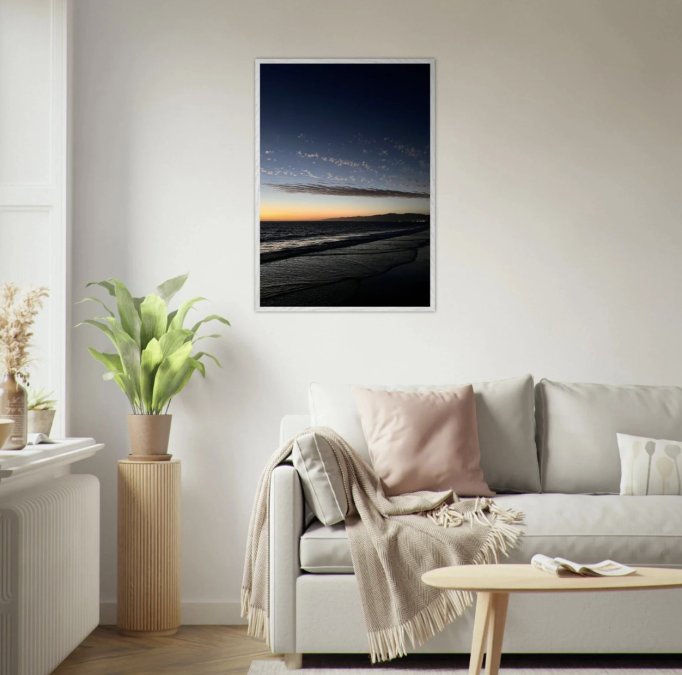
Our collection starts with real moments captured by our founder. Pieces like the Oaxaca Street Fair framed canvas bring the color and energy of a real place into a room, printed on cotton-polyester canvas and framed in FSC-certified wood. For everyday carry, the Albuquerque tote bag brings an earthy, artistic spirit.


If you're choosing art you'll live with for years, our guide on choosing long-lasting eco-friendly wall art walks through what to look for.
Frequently Asked Questions
What effect does art have on society?
Art strengthens social cohesion by giving people shared experiences and a sense of belonging. Public art, community art projects, and local exhibitions create gathering points where residents meet and collaborate. Art also supports mental health and well-being, raises awareness of social issues, and contributes to neighborhood revitalization. When people participate in creative expression together, trust grows and community identity deepens.
Why is supporting local artists important?
Supporting local artists keeps money in the local economy and helps creative professionals build sustainable careers. It preserves cultural identity and local storytelling, making neighborhoods more distinctive. Local artists often lead community art projects that revitalize public spaces and foster resident participation. When you buy from local artists, you also support arts access and inclusive spaces that benefit everyone.
What are practical ways to support artists in your community?
You can attend local art fairs, buy original work directly from artists, commission pieces for your home, or hire local artists for murals and pop-up art events. Sharing their work on social media and recommending them to friends also helps. Volunteering for community art initiatives or donating to arts programming are other meaningful ways to support local artists and creative expression.
How can art support charitable causes?
For example, CaliCuration donates 5% of every order to community impact efforts in Los Angeles and New York City. You can track charitable donations from purchases by checking the brand's website for transparency reports and asking which organizations receive funds.
The gap between caring about community impact and actually creating it usually comes down to one purchase, one conversation, one afternoon spent making something with neighbors. We built CaliCuration around original photography, eco-friendly print partners, and a give-back commitment that funds community efforts with every order. Explore the collection and bring a real place, and a little quiet impact, into your home.
